The History of Duncan & Miller Glass Company
A Little Sparkle from Pennsylvania
If elegant glassware could attend a dinner party wearing white gloves and pearls… it would be Duncan & Miller.
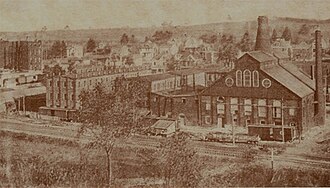
Founded in 1872 in Washington, Pennsylvania, Duncan & Miller quickly became known for producing high-quality pressed and blown glass. By the early 1900s, they were competing with some of the finest American glasshouses — and winning hearts on dining tables across the country.
Their pieces weren’t just functional. They were refined, detailed, and beautifully engineered to catch the light in the most flattering way.
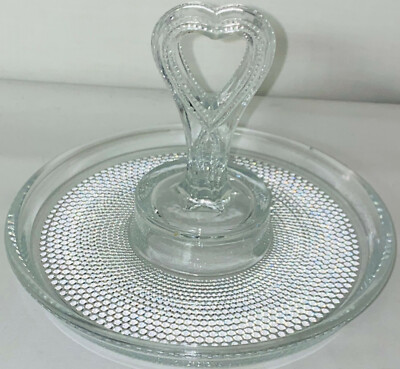
From Pressed Glass to Elegant Crystal
Like many 19th-century companies, Duncan & Miller began with pressed glass. But their real glow-up came in the 1920s–1950s, during what collectors call the “Elegant Glass” era.
Unlike mass-produced Depression glass, Duncan & Miller pieces were:
- Heavier
- More finely detailed
- Often hand-finished
- Sold in department stores instead of dime stores
They produced both clear crystal and dreamy colors like:
- Caribbean Blue
- Ruby
- Emerald
- Blush pink
- Milk glass
Their craftsmanship gave them a reputation for refined, upscale tableware — the kind of glass you brought out when company came over.
Most Popular Patterns
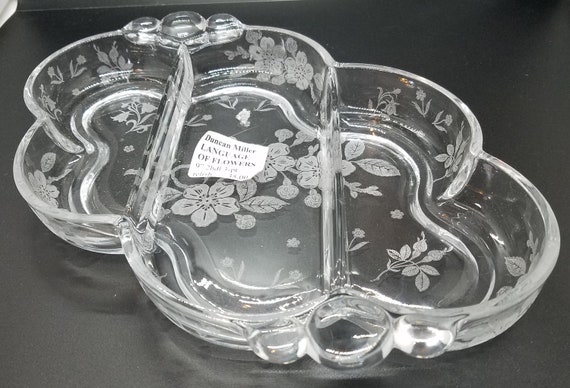
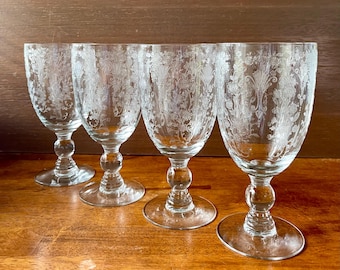
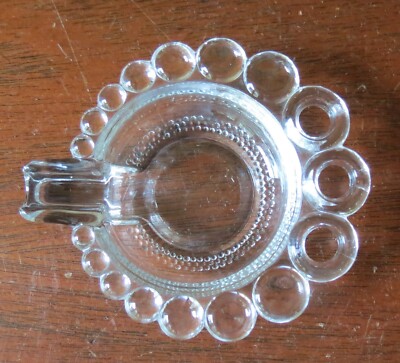
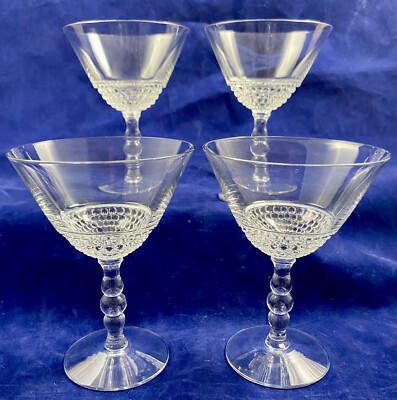
Collectors often fall head-over-heels for these patterns:
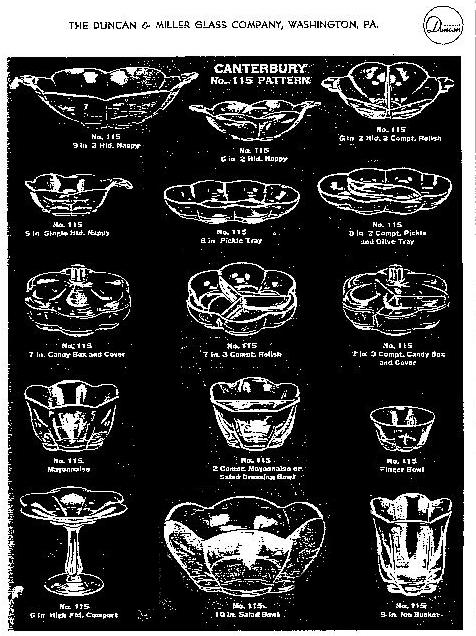
✨ Canterbury
One of the most beloved etched patterns. Delicate scrolls, romantic detailing, and pure elegance.
✨ First Love
Soft, floral, and sentimental — very bridal shower chic.
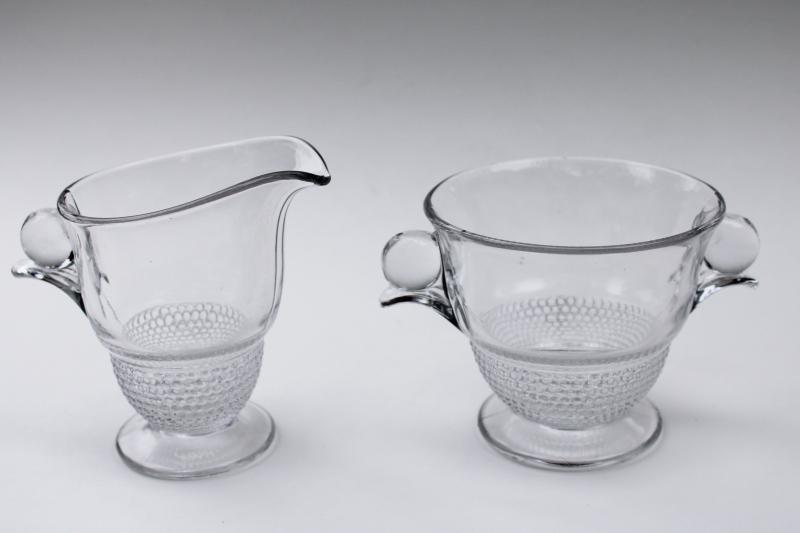
✨ Teardrop
Recognizable by its applied tear-shaped motif. This pattern is bold and commands attention.
✨ Swan
Yes — literal swans. And we know swans sell.
How to Identify Duncan & Miller
Here’s where your appraiser hat comes on.
Unlike some glass companies, Duncan & Miller rarely marked their pieces. That means identification relies on:
1. Pattern Recognition
Collectors use pattern guides and reference books to match etchings and shapes.
2. Quality & Weight
Their glass feels substantial — not thin like many Depression-era pieces.
3. Polished Pontil Marks
Hand-blown pieces may show a polished pontil on the base.
4. Etch Detail
The etching is crisp and refined, not fuzzy or shallow.
Pro Tip for your collectors: Always compare suspected pieces to verified examples. Elegant glass can be tricky!
Rarity & Value Guide
Now for the question everyone loves…
Common Clear Elegant Glass
- Stemware
- Relish dishes
- Bread plates
Value: $15–$45 per piece
Great entry point for new collectors.
Mid-Range Pieces
- Serving bowls
- Cake plates
- Candlesticks
- Caribbean Blue pieces
Value: $60–$175
Color dramatically increases desirability.
Highly Collectible & Rare
- Complete punch bowl sets
- Large console bowls
- Ruby or emerald-colored pieces
- Rare Teardrop items
- Hard-to-find serving forms
Value: $200–$1,000+**
Exceptional or rare forms can go higher at specialty auctions.
What Impacts Value?
- Pattern popularity
- Color (Caribbean Blue and ruby are standouts)
- Condition (chips on rims = major deduction)
- Completeness of sets
- Current design trends
Just like fairy lamps — condition is everything.
The Closure
Sadly, Duncan & Miller closed in 1955, marking the end of one of America’s refined elegant glass producers. But what they left behind? Timeless heirloom-quality glass that still dazzles today.
Why Collectors Still Love It
• It mixes beautifully with vintage china
• It elevates holiday tables
• It photographs like a dream
• It carries that romantic 1930s–1950s glow
And for dealers like you? It’s the perfect blend of history, elegance, and attainable luxury.
Final Thoughts
Duncan & Miller glass isn’t loud. It doesn’t scream for attention.
It simply sparkles… and waits for someone who recognizes quality.
From affordable stemware to rare colored showstoppers, this Pennsylvania glasshouse created pieces that still make collectors swoon nearly a century later.
Now that’s what I call giving the gift of history. 💫