
The History of Glass Hens on the Nest
(And How to Spot Vintage vs. Reproductions)
When Chickens Became Collectible Royalty
Before they ruled antique malls…
Before they starred in Facebook claim sales…
Before collectors lined shelves with glowing flocks…
Glass Hens on the Nest were practical little kitchen helpers.
Yes — practical.
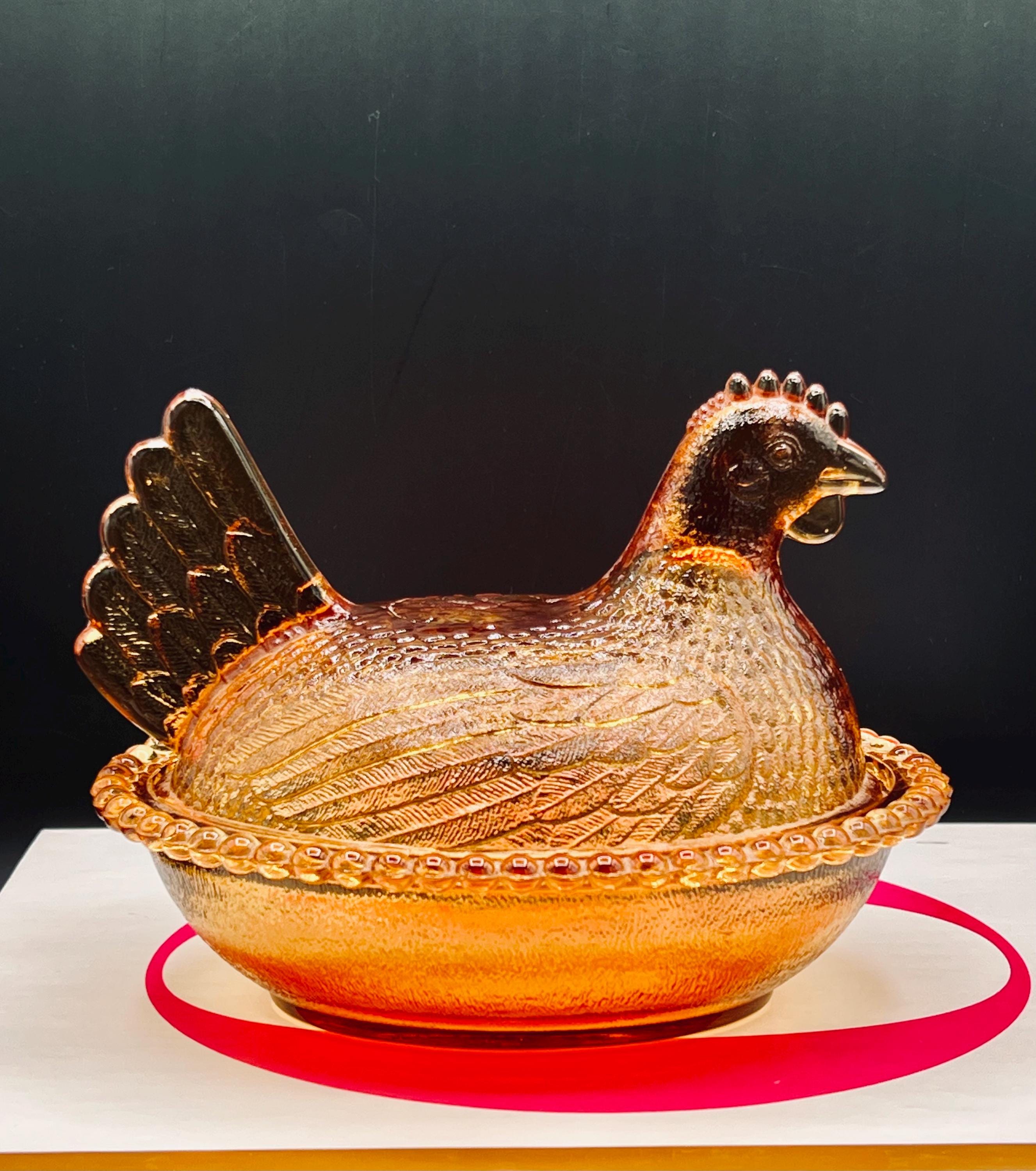
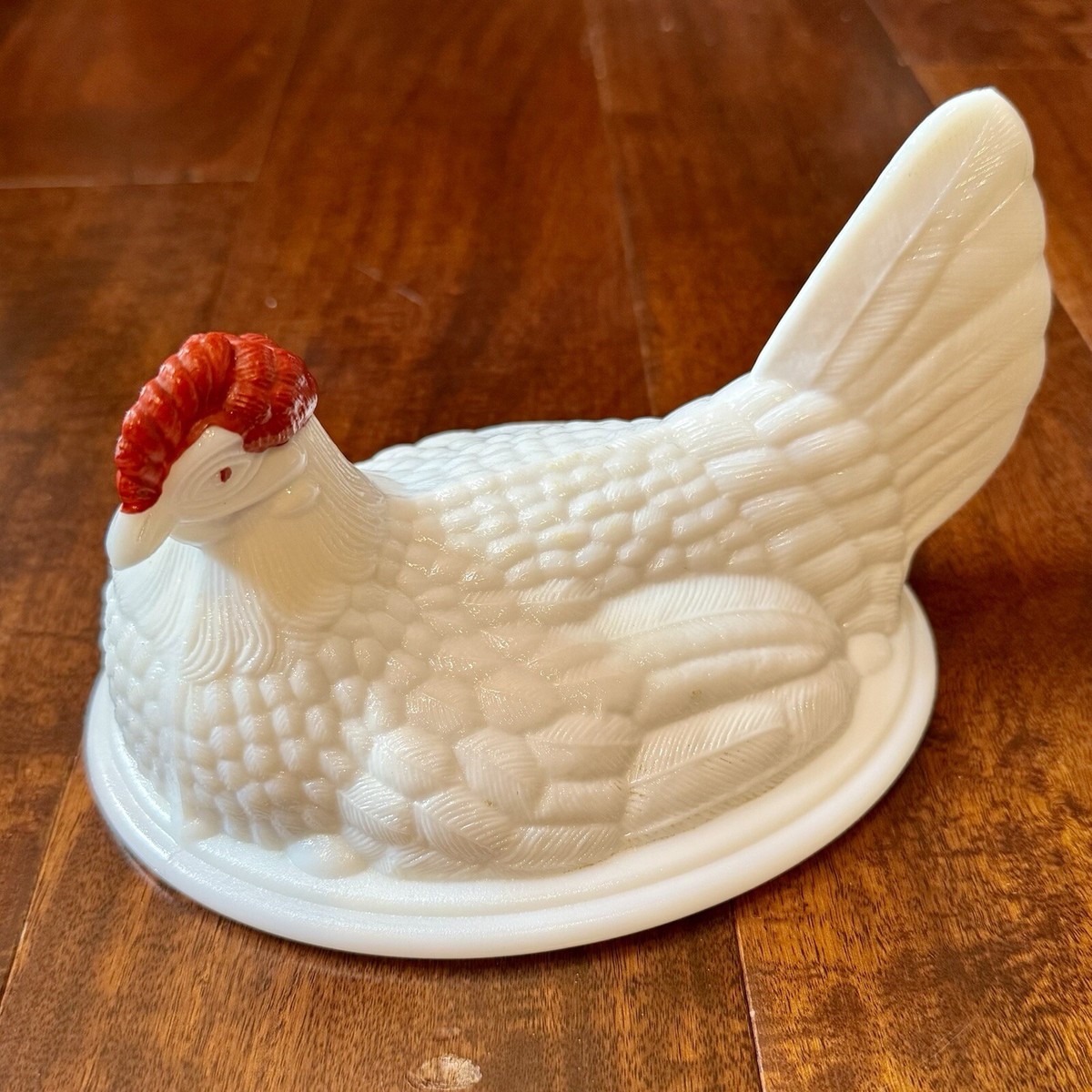
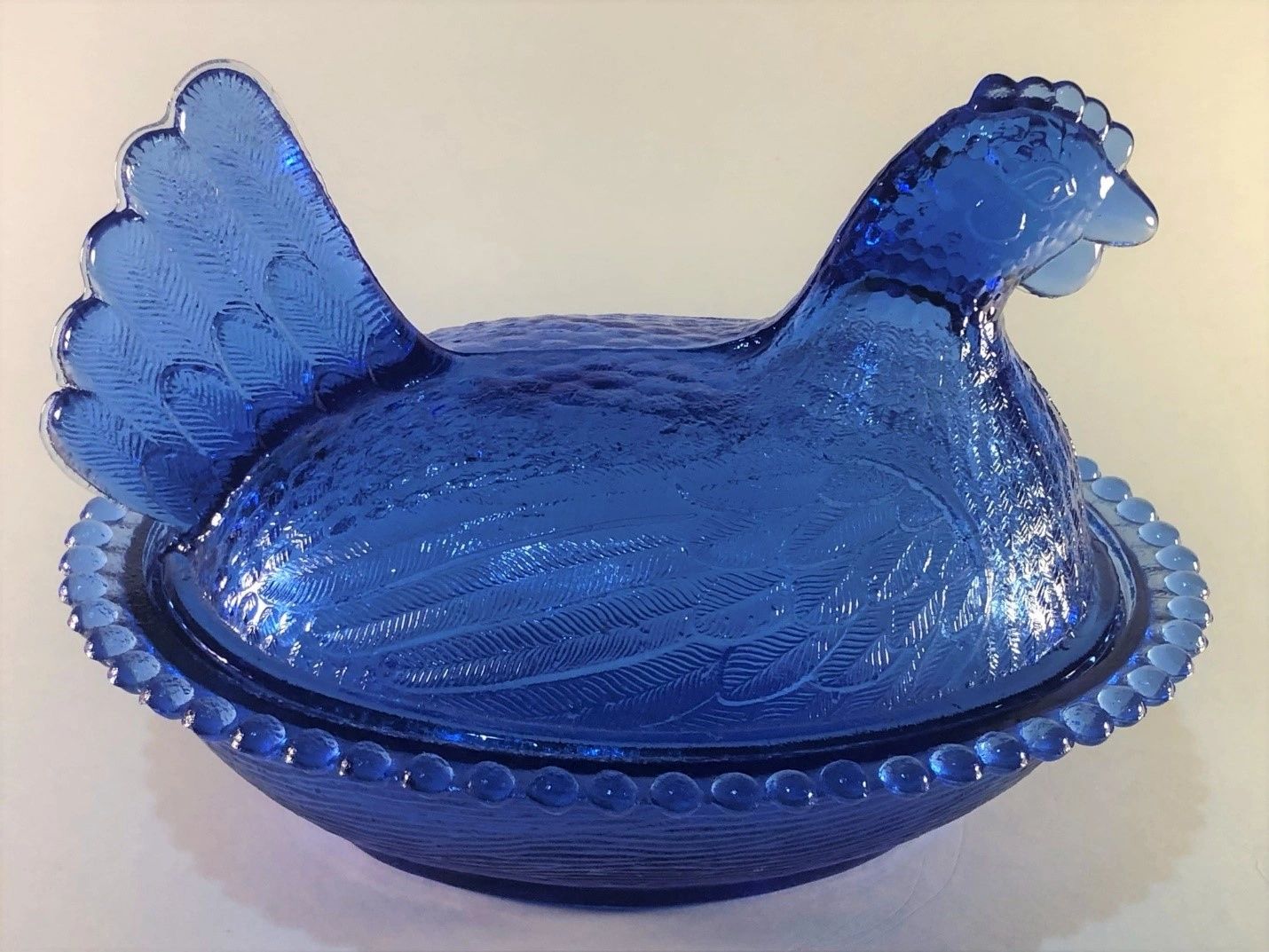
Originally introduced in the late 19th century, these charming, covered dishes were designed to sit on farmhouse tables holding butter, eggs, or small treats. The “nest” served as the base, and the hen acted as the lid.
Functional. Decorative. And undeniably charming.
Where Did They Begin?
The earliest pressed glass hens appeared in the late 1800s, produced by American glass companies during the booming Victorian pressed glass era.
One of the most recognized names associated with early hens is:
- Westmoreland Glass Company
- Indiana Glass Company
- L.E. Smith Glass Company
By the early-to-mid 1900s, hens became wildly popular in clear, milk glass, amber, blue, green, and carnival finishes.
And once color entered the chat… collectors never looked back.
Why Did They Become So Popular?
Because they check every collector box:
✔ Functional history
✔ Farmhouse charm
✔ Gorgeous color
✔ Easy to display
✔ Stackable (yes, we all stack them)
✔ And let’s be honest… they’re just adorable
By the 1950s–1970s, hens were household staples. Then they quietly disappeared — only to return decades later as one of the hottest vintage glass categories.
How to Identify Vintage vs. Reproduction Hens
Now let’s put on our appraiser glasses.
Because not all hens are created equal.
🐔 1. Weight & Thickness
Vintage hens feel substantial.
Older glass is typically heavier with thicker walls.
Many modern reproductions feel lighter and thinner.
🐔 2. Mold Detail
Look closely at:
- Feather definition
- Comb shape
- Beak sharpness
- Basket weave texture on the nest
Vintage pieces usually have crisper mold lines and more refined detail. Reproductions can look slightly “soft” or overly glossy.
🐔 3. Base & Mold Seams
Turn her over.
- Vintage hens often have smoother, more finished bases.
- Newer reproductions may show sharper seam lines or unfinished bases.
Some older pieces may show light wear on the base from decades of table use — that gentle shelf wear can actually be a good sign.
🐔 4. Color Clues
Vintage colors often include:
- Amber
- Milk glass
- Clear
- Blue
- Green
- Carnival glass
Reproductions frequently appear in:
- Ultra-bright neon tones
- Very opaque modern pastels
- Extremely uniform glass
That doesn’t automatically mean reproduction — but bright modern hues require extra research.
🐔 5. The “Too Perfect” Test
If it looks flawless, feels light, and costs $15 brand new at a gift shop…
It’s probably not 1940s farmhouse glass.
Trust your instincts.
Value & Rarity Guide
Now for the question collectors always ask…
Common Vintage Hens
(Clear, amber, milk glass, standard sizes)
Value: $25–$75
These are beautiful entry-level collectibles and display wonderfully.
Mid-Range & Color Variations
(Blue, green, carnival, larger sizes)
Value: $85–$250
Condition is everything. Chips on combs or rim edges significantly reduce value.
Rare & Highly Collectible
- Unusual sizes (very large hens)
- Rare colors (true red, deep cobalt, slag glass)
- Early Victorian examples
- Signed pieces
- Complete matching sets
Value: $300–$800+**
Exceptional examples can exceed that in strong collector markets.
What Makes One Rare?
- Color rarity
- Size (oversized hens command attention)
- Manufacturer
- Condition (no chips on comb or lid rim are key)
- Original finish (no heavy polishing or damage repair)
Large hens especially have developed a devoted following — they’re statement pieces.
And as you know… statement pieces sell.
Why They’re So Hot Right Now
Hens on the Nest bridge multiple design styles:
- Farmhouse
- Cottagecore
- Grandmillennial
- Mid-century kitchens
- Eclectic antique layering
They glow beautifully when backlit.
They photograph like a dream.
And they’re nostalgic in a way that feels comforting.
DID YOU KNOW?® Fun Fact
Some early glass hens were reportedly used not just for butter — but to discreetly hide small valuables or money on the kitchen table.
After all… who would suspect the chicken?
Glass Hens on the Nest aren’t just décor. They’re functional history wrapped in feathers and sparkle.
And once you start collecting…
You rarely stop at just one.