
The Glass Hen on the Nest Craze
Why Prices Are Rising & Why They’re Getting Harder to Find
There was a time — not long ago — when glass hens on the nest quietly sat on antique mall shelves.
$35.
Maybe $45 if it was a pretty color.
You’d think about it… walk another aisle… and come back.
Today?
If you walk away, it’s gone.
So what happened?
Let’s talk about the rise of the Glass Hen Craze — and why these feathered beauties have become one of the hottest vintage glass categories in recent years.

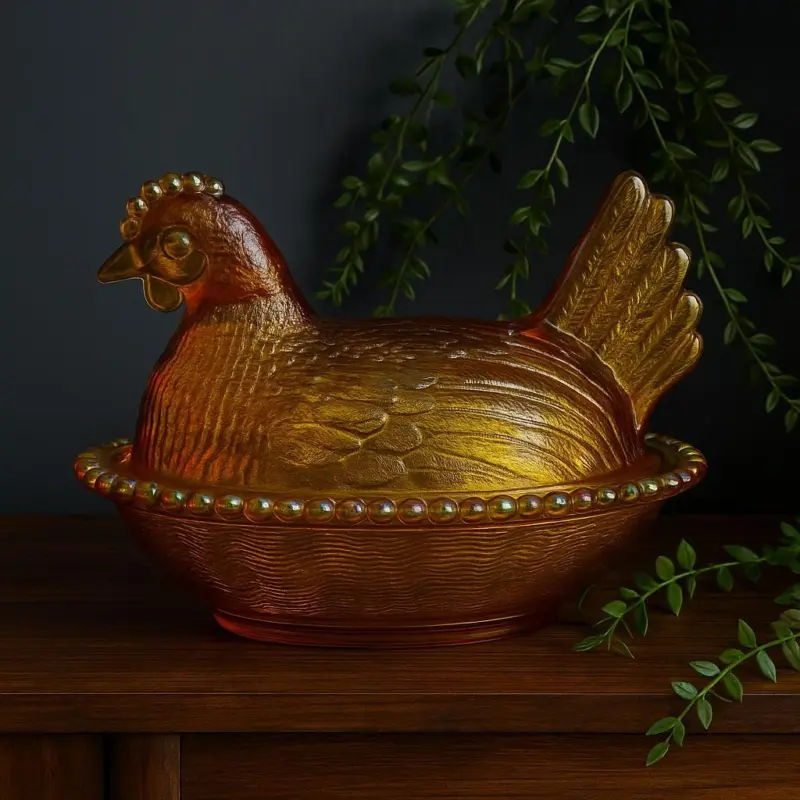
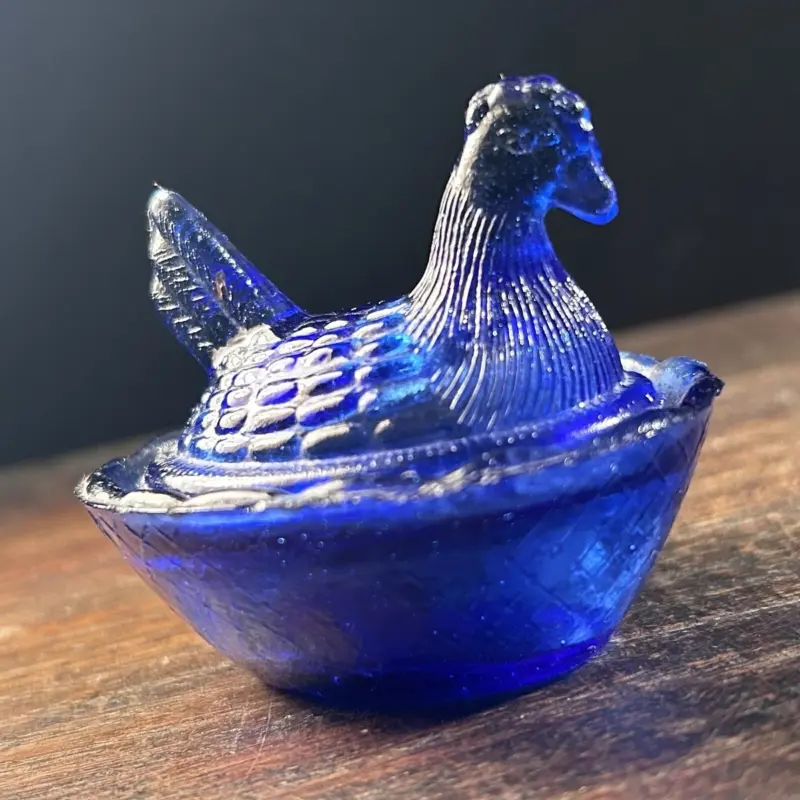
From Farmhouse Dish to Collector Obsession
Originally produced in the late 1800s and widely popular through the mid-1900s, glass hens were simple covered dishes used for butter, candy, or small kitchen items.
Charming? Yes.
Collectible? Not initially.
For decades they were considered common farmhouse glass. But then something shifted.
Social Media Changed Everything
The modern hen boom didn’t begin in a museum.
It began online.
Photos of glowing amber hens, stacked milk glass flocks, and dramatic oversized blue statement pieces started appearing on Facebook groups, Instagram feeds, and live claim sales.
Collectors discovered:
• They photograph beautifully
• They glow when backlit
• They stack well
• They mix with MCM, cottagecore, and farmhouse décor
• They’re nostalgic
And once collectors start chasing color variations?
Game over.
The Pricing Shift
Here’s where things get interesting.
A Decade Ago:
- Common hens: $25–$50
- Larger or colored examples: $75–$125
Today:
- Common clear/milk glass: $50–$85
- Amber, blue, green: $125–$250
- Large statement hens: $250–$400+
- Rare colors: $500+
Oversized hens, especially in rich amber or blue, have seen some of the most dramatic increases.
The market responded to demand — and supply simply hasn’t kept up.
Why They’re Getting Harder to Find
This isn’t just hype.
There are real reasons:
1️⃣ Finite Supply
Most vintage hens were produced mid-century. Production slowed, companies closed, and glassmakers like Indiana Glass Company and Westmoreland Glass Company are no longer operating.
What’s out there… is what’s out there.
2️⃣ Serious Collectors Are Holding Onto Them
Many collectors aren’t flipping — they’re building color collections.
When pieces go into curated displays, they don’t cycle back into the market quickly.
3️⃣ Damage Is Common
Combs chip.
Lids crack.
Rims flake.
Finding one in excellent condition is getting harder.
And condition drives price.
4️⃣ Dealers Now Know Their Value
The “underpriced hen” era is fading.
Dealers research. They see social media demand. They price accordingly.
The casual $35 barn-find hen is becoming rarer.
The Large Hen Phenomenon
If regular hens are popular…
Large hens are royalty.
Oversized hens command attention in displays and photo backdrops. They’ve become centerpiece pieces in antique booths and online sales.
And when supply is limited and demand is emotional?
Prices climb.
Are We in a Bubble?
That’s the question collectors whisper.
Here’s the reality:
• Hens check multiple décor trends
• They appeal across generations
• They’re accessible entry-level antiques
• They have real production history
This isn’t a fad like a novelty trinket — they’re rooted in 19th- and 20th-century American glass history.
But like all hot categories, pricing may eventually stabilize.
Right now?
We’re in peak enthusiasm.
What This Means for Collectors
If you love them:
Buy the color you love.
Buy the condition you trust.
Don’t wait for “maybe next time.”
If you’re investing:
Focus on:
- Rare colors
- Large sizes
- Excellent condition
- Early examples
If you’re hunting:
Check rural estate sales.
Look in unexpected booths.
And always inspect the comb first.
Final Thoughts
The glass hen on the nest craze didn’t happen overnight.
It built slowly.
It glowed online.
It spread through community.
And now it’s one of the most competitive vintage glass categories in antique malls.
What used to be farmhouse charm has become collector currency.
And if you’ve noticed they’re harder to find…
You’re not imagining it.
The flock has thinned — and the hunt has intensified.