DID YOU KNOW?®
The History of Lithophane Fairy Lamps
A glowing piece of Victorian beauty, romance, and storytelling
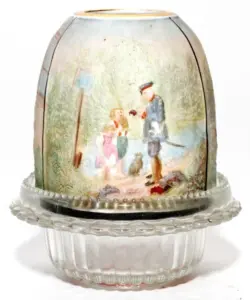
Few antique lighting pieces feel as enchanting and storybook-like as the Lithophane Fairy Lamp. At first glance, they look like delicate little lanterns from a bygone era—but once illuminated, they transform into something unforgettable: a glowing porcelain scene that comes to life through light.
Collectors today treasure lithophane fairy lamps for their softness, charm, and history—but their origins go back to the height of Victorian elegance and ingenuity.
Let’s dive into the beautiful story behind these tiny treasures.
What Is a Lithophane?
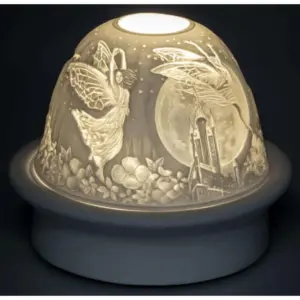
A lithophane is a thin porcelain (or translucent material) image that reveals a detailed scene when light shines through it.
In normal lighting, lithophanes appear almost plain—usually off-white or pale ivory. But once backlit by a candle or lamp, the artwork emerges in stunning detail.
These images were typically:
- Romantic scenes
- Religious imagery
- Angels
- Flowers
- Ladies in gowns
- Children and cherubs
- Castles and pastoral landscapes
The magic comes from the sculpting: thicker porcelain areas appear darker, while thinner areas glow brighter.
This was one of the earliest “light-art” forms—essentially Victorian illuminated artwork.
Where Did Lithophanes Originate?
Lithophanes date back to early 19th-century Europe, most often credited to Germany and France.
They became especially popular during the Victorian era (1837–1901)—a time when the home was central to entertainment, décor, and mood.
Victorians adored:
- candlelight ambience
- ornate décor
- sentimental imagery
- romantic and religious symbolism
Lithophanes perfectly matched the era’s desire for beauty and emotional storytelling.
What Is a Fairy Lamp?
A fairy lamp is a small lamp designed to hold a candle—often a tea light–style candle or tiny taper (depending on the era).
Fairy lamps became fashionable for:
- parlor rooms
- dining tables
- bedroom nightstands
- holiday gatherings
- social visits and evening entertainment
They were sometimes used as:
- mood lighting
- decorative centerpieces
- “night lights” in Victorian homes
- charm objects to display wealth and good taste
The name “fairy lamp” reflects how whimsical the glow looked—tiny, soft, and magical, like fairy light.
How Lithophanes and Fairy Lamps Became the Perfect Match
Once companies began pairing the glowing lithophane image with an enclosed candle holder, the result was breathtaking:
✅ the candle created a warm glow
✅ the lithophane scene became illuminated
✅ the lamp protected the flame from drafts
✅ and the image turned into a “living picture”
This combination created a functional and artistic piece that became a prized decorative object in many Victorian homes.
Who Made Lithophane Fairy Lamps?
Several manufacturers produced lithophanes throughout the 1800s, and fairy lamps were made by various glass and porcelain companies.
Lithophanes could be found in:
- German porcelain (especially in the 1800s)
- French porcelain panels
- later Japanese lithophanes (some 20th century versions)
Common markings may include:
- impressed numbers
- faint manufacturer marks
- “Made in Germany”
- no marks at all (very common!)
Many lithophanes were produced separately and later adapted into lamp bases—meaning not all fairy lamps started life as one complete set.
Why Victorians Loved Them
Victorian homes were filled with “conversation pieces.” Lithophane fairy lamps were perfect for this.
When guests visited at night:
- the hostess could light the lamp
- guests would lean in and admire the image
- the scene would “appear” like a secret picture
It was both elegant and entertaining—Victorian design at its finest.
Are Lithophane Fairy Lamps Antique or Vintage?
Here’s an important collector note:
Antique lithophane fairy lamps
Generally:
- late 1800s to early 1900s
- porcelain is thinner and more detailed
- more likely to have soot staining or age wear
- images are extremely crisp when lit
Vintage lithophanes
Generally:
- 1920s–1960s (sometimes later)
- may be thicker
- sometimes mass-produced
- can still be valuable, especially in beautiful shapes
Modern reproductions
Many were made starting in the late 20th century and today.
They may look pretty but typically:
- have less detailed lithophane scenes
- use electric lights instead of candles
- are lighter weight or modern porcelain
Collecting Lithophane Fairy Lamps Today
Lithophane fairy lamps have exploded in popularity among collectors because they appeal to so many vintage styles:
- Victorian lovers
- cottagecore collectors
- romantic décor
- antique lighting collectors
- fairy lamp enthusiasts
- even mid-century collectors who love mood lighting
People collect them for:
✨ aesthetic beauty
✨ soft lighting
✨ romantic history
✨ rare designs and shapes
Rarity & Value (Collector Guide)
If you’re buying, selling, or collecting lithophane fairy lamps, value depends on several key factors:
What increases value
✅ crisp detailed lithophane scene when lit
✅ rare subjects (angels, cherubs, religious scenes)
✅ unusual shapes (tower, pagoda, ornate gothic)
✅ original matching base and shade
✅ no cracks or repairs
✅ strong translucency
Common condition issues
- hairline cracks
- chips along rims
- repairs/glue
- warped lithophane panels
- missing bases or mismatched pieces
Typical pricing (general market ranges)
- $25–$75: common vintage pieces, minor flaws
- $75–$200: nicer antique examples with strong scenes
- $200–$500+: rare scenes, rare shapes, excellent condition
- $500+: museum-quality pieces, rare maker, exceptional glow
Tip: A lithophane that looks “plain” in daylight can be worth far more when lit and photographed properly.
How to Identify a Quality Lithophane Fairy Lamp
If you’re shopping for one, do this quick test:
The flashlight test
Hold your phone flashlight behind it.
A good lithophane will show:
- sharp faces and detail
- depth and contrast
- layered shading
A low-quality reproduction often looks:
- fuzzy
- flat
- overly thick
- less dramatic when lit
Caring for Lithophane Fairy Lamps
Because porcelain is fragile, care is important.
Best tips:
- never use high heat candles
- use tea lights with short burn time
- never soak in water
- dust gently with a soft brush
- store wrapped individually
Final Thoughts: A Tiny Lamp with a Big Story
Lithophane fairy lamps are more than décor—they are Victorian art you can illuminate.
They represent an era of romance, craftsmanship, and storytelling through light. In today’s world of fast décor and mass production, holding an antique lithophane fairy lamp feels like holding a piece of quiet history.
And when it glows… it truly feels magical.
We Have It Here!
If you’re looking for fairy lamps, lithophanes, or other antique lighting treasures, be sure to visit:
The Vintage Shack®
📍 Located inside The New Lincoln Antique Mall
🌐 Visit: www.thevintageshack.com
💌 Subscribe for exclusive DID YOU KNOW?® content and vintage benefits!