Northwood Glass Company
The Carnival King Who Still Dazzles Collectors Today ✨
Before shimmer was trendy…
Before iridescent finishes flooded home décor stores…
Before “statement glass” became a design buzzword…
There was Northwood Glass Company — and they were already stealing the spotlight.
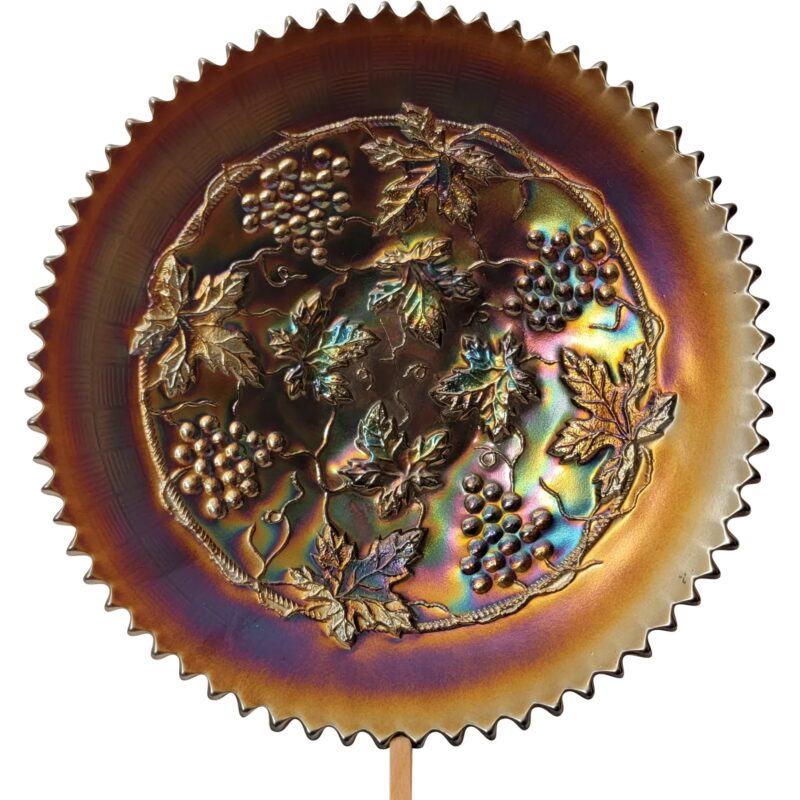
A Little History with a Lot of Shine
Founded in 1887 by Harry Northwood, this American glasshouse quickly became known for innovation, artistry, and bold design. With operations in Ohio and later West Virginia, Northwood developed pressed glass that didn’t just sit on tables…
It performed.
And in the early 1900s, they introduced what would become one of the most iconic categories in American glass:
✨ Carnival Glass ✨
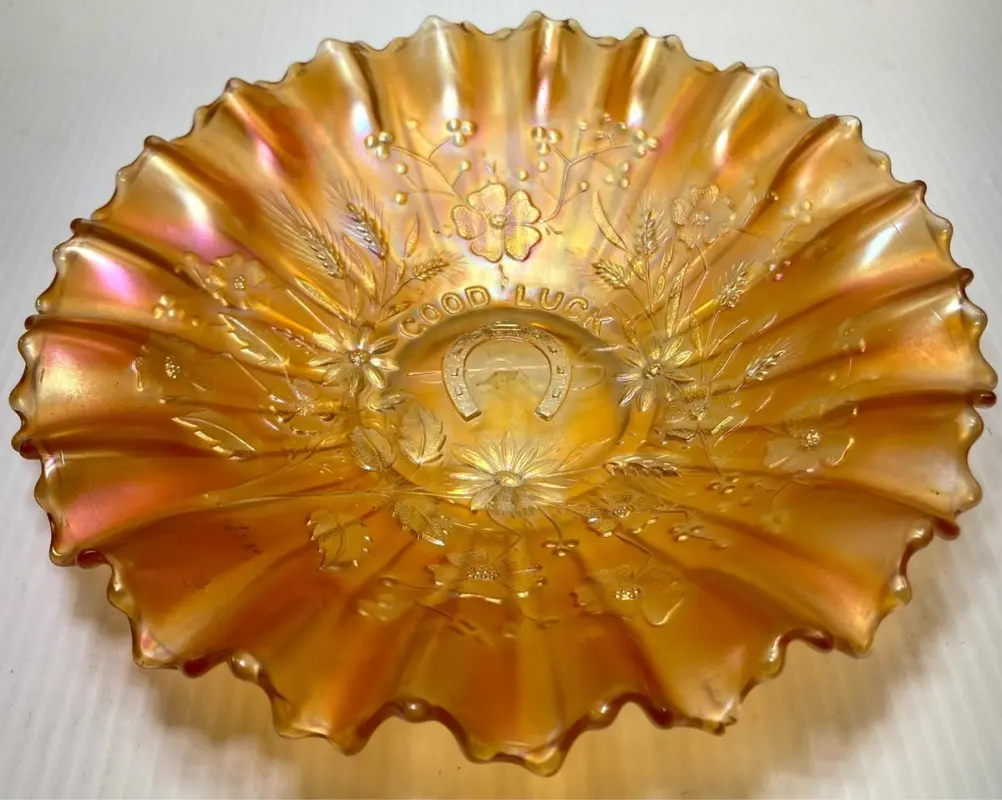
That oil-slick iridescent finish? That was their magic.
Signature Patterns That Still Turn Heads
Northwood created dozens of patterns, but a few remain collector royalty:
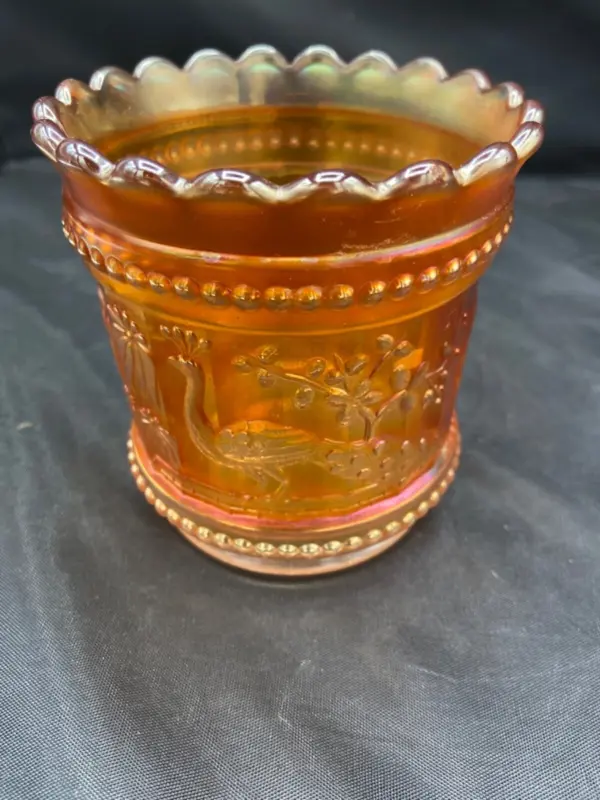
👑 Peacock at the Fountain
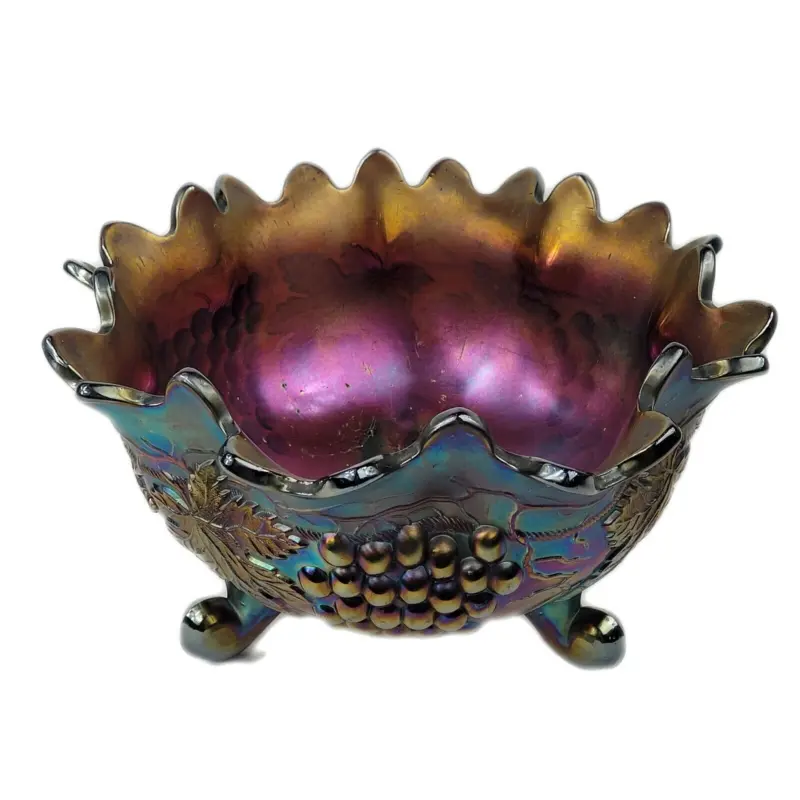
🍇 Grape and Cable
🌳 Tree Trunk
🍓 Strawberry
🎀 Wishbone
Peacock at the Fountain remains the crown jewel — highly detailed, dramatic, and unmistakable when seen in full iridescent glow.
How to Identify Authentic Northwood
Now let’s put on our appraiser glasses.
🔎 The Circled “N” Mark
Many Northwood carnival pieces made after 1908 carry a capital “N” inside a circle on the base.
That mark is a collector’s best friend.
However — not all authentic Northwood is marked. Early pieces may lack the mark, so pattern recognition matters.
🔎 Mold Detail
Northwood molds are known for:
✔ Crisp feather detail (especially on peacocks)
✔ Strong relief
✔ Sharp pattern edges
If details look soft or blurry, proceed with caution.
🔎 Color & Iridescence
Northwood’s marigold finish is vibrant and rich — not dull or flat. The iridescence should shimmer in layers, not appear painted on.
True antique carnival glass has depth.
Are There Reproductions?
Yes — and collectors should be aware.
Several companies have reproduced carnival-style glass over the years, including:
- Fenton Art Glass Company (later revival carnival styles, though typically marked and distinct)
- Imperial Glass Company (revival carnival pieces)
- Dugan Glass Company (not repros, but often confused due to similar era production)
Important distinction:
Many revival carnival pieces are collectible in their own right — but they are not early Northwood originals.
True Peacock at the Fountain repros have appeared over the years. Some lack the circled N, and others have slightly altered mold details.
When in doubt:
Compare feather definition.
Check the base for markings.
Study known authentic examples.
Rarity & Current Price Ranges (2026 Snapshot)
Now for the sparkle math.
Common Marigold Bowls
$75–$175
Amethyst or Green Variations
$150–$400
Ice Blue, Smoke, or Rare Color Variants
$400–$1,200+
Rare Red Carnival Pieces
$1,000–$3,000+
Exceptional Peacock at the Fountain in Rare Color
$2,000–$5,000+ depending on size and condition
Condition matters tremendously.
Even small rim flakes or base chips can impact value significantly.
Vibrant iridescence = stronger price.
What Makes a Northwood Piece Rare?
✨ Unusual color
✨ Limited production mold
✨ Exceptional condition
✨ Large or unusual forms
✨ Strong, bold iridescence
Collectors especially seek rare base colors beyond standard marigold.
Why Northwood Still Holds Strong
Carnival glass has experienced trend cycles — but Northwood remains steady because:
✔ Historical importance
✔ Recognizable patterns
✔ Strong collector community
✔ Dramatic visual impact
It bridges Victorian elegance with early 20th-century innovation.
It’s not just decorative.
It’s collectible art glass history.
DID YOU KNOW? Fun Fact ✨
Carnival glass earned its name because it was sometimes given away as prizes at fairs and carnivals in the early 1900s.
Imagine tossing a ring and winning a Peacock at the Fountain bowl.
Today?
That “carnival prize” could fund your next vintage road trip.
Now that’s what I call lucky.