The Fascinating History of the Dugan Glass Company
If you’ve ever held a shimmering piece of carnival glass with a dramatic ruffled edge or a rich amethyst glow, you may have encountered the dazzling work of the Dugan Glass Company. But did you know this short-lived glass company produced some of the most beloved and collectible carnival glass patterns ever made?
Let’s take a step back in time and uncover the story behind this early 20th-century glassmaker.
A Factory with Many Lives
The story begins in Indiana, Pennsylvania, where a glassworks originally operated as the Indiana Glass Company in the 1890s. Over the years, the factory changed hands several times and was associated with several famous glassmakers, including Harry Northwood, one of the pioneers of carnival glass.
In 1904, brothers Thomas E. Dugan and Alfred Dugan purchased the plant and officially established the Dugan Glass Company.
The company operated under this name until 1913, when the Dugans left the business and the factory was renamed Diamond Glass Company.
Collectors today often refer to pieces from this factory as “Dugan-Diamond” glass, since many molds continued to be used after the company name changed.
Sadly, the factory itself was eventually destroyed by a devastating fire in 1931, marking the end of glass production at that site.
One of the Earliest Makers of Carnival Glass
Dugan Glass played an important role in the early development of Carnival Glass, the iridescent pressed glass that became wildly popular in the early 1900s.
Carnival glass gets its signature rainbow shimmer from metallic salts applied to the hot glass surface, giving it a luminous glow that mimicked expensive art glass from companies like Tiffany.
Dugan is believed to have been one of the earliest American producers of carnival glass, beginning production around 1904.
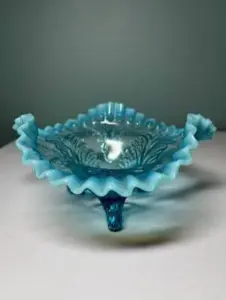
Many of their pieces were pressed in molds and then finished by hand, often with dramatic ruffled or crimped edges, a distinctive trait collectors love today.
Signature Colors & Glass Styles
Dugan glass is especially famous for several stunning finishes and colors:
Peach Opalescent
Perhaps the company’s most famous glass color. Dugan produced more peach opalescent carnival glass than any other manufacturer.
Amethyst (Deep Purple)
Some Dugan pieces are so dark they almost appear black.
Marigold Carnival
The classic golden-orange carnival color many collectors recognize.
Frit Glass Art Pieces
Dugan also produced artistic glass lines such as Pompeian, Venetian, and Japanese glass, where hot glass was rolled in crushed glass particles to create textured decorative surfaces.
Popular Dugan Carnival Glass Patterns
Collectors frequently encounter these well-known patterns:
- Cherries
- Beaded Shell
- Cosmos
- Coin Spot (Thumbprint)
- Wreath of Roses
- Vintage
- Smooth Rays
- Strawberry
Many pieces feature deeply ruffled edges, elaborate mold patterns, and vibrant iridescence—hallmarks of Dugan craftsmanship.
How to Identify Dugan Glass
Unlike some glass companies, many Dugan pieces are unmarked, which can make identification tricky.
Collectors often look for these clues:
• Deep crimped or pie-crust edges
• Heavy iridescence on carnival pieces
• Bold, sculptural patterns
• Similar designs to Northwood glass (because the families were related and shared molds)
Some later pieces from the Diamond era may carry a “D inside a diamond” mark, but many earlier examples do not.
Rarity and Value
Dugan carnival glass remains very collectible today.
Typical price ranges (depending on color, pattern, and condition):
- Common bowls or plates: $25–$75
- Desirable patterns or colors: $100–$300
- Rare shapes or unusual colors: $400–$1,000+
Certain rare patterns and color combinations can sell for thousands of dollars at auction.
Collectors especially hunt for:
- Peach opalescent pieces
- Early iridescent vases
- Rare patterns in unusual colors
Why Collectors Love Dugan Glass
For many collectors, Dugan glass perfectly captures the magic of early carnival glass:
✨ Bold patterns
✨ Iridescent shimmer
✨ Sculptural ruffled edges
✨ Early American glassmaking history
Even though the company only operated under the Dugan name for about nine years, it left a lasting legacy in the world of antique glass.
DID YOU KNOW? Fun Fact
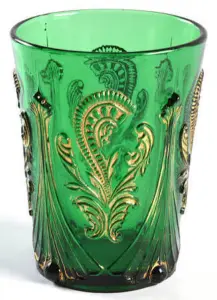
For decades, collectors actually believed many Dugan carnival glass pieces were made by Northwood Glass.
It wasn’t until the 1970s, when glass fragments were discovered at the Indiana, Pennsylvania factory site, that researchers were able to properly attribute many patterns to Dugan Glass Company.
Talk about a vintage mystery finally solved!
✨ Collector Tip from The Vintage Shack®:
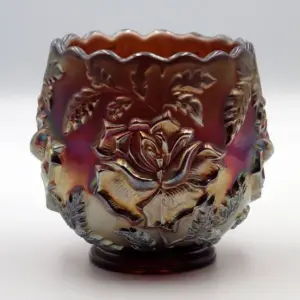
If you spot carnival glass with dramatic ruffles and bold mold designs, take a closer look—it might just be a beautiful piece of early Dugan glass history!