
The History of Porcelain Transferware: The Art That Brought Beauty to Everyday Life
Porcelain transferware is one of the most recognizable and beloved decorative ceramics in antique and vintage collecting. From deep cobalt blue pastoral scenes to colorful Victorian patterns, transferware transformed simple household dishes into miniature works of art.
But where did it come from — and why did it become so popular?
Let’s explore the fascinating history behind porcelain transferware.
🏭 What Is Transferware?
Transferware is a ceramic decorating technique developed in the mid-1700s that allowed intricate engraved designs to be transferred from paper onto pottery or porcelain.
Instead of painting each piece by hand (which was expensive and slow), artisans:
- Engraved designs onto copper plates
- Printed them onto special tissue paper
- Transferred the image onto glazed ceramics
- Fired the piece to permanently set the design
This innovation made beautifully detailed ceramics affordable for everyday households.
💙 Classic Blue & White Transferware
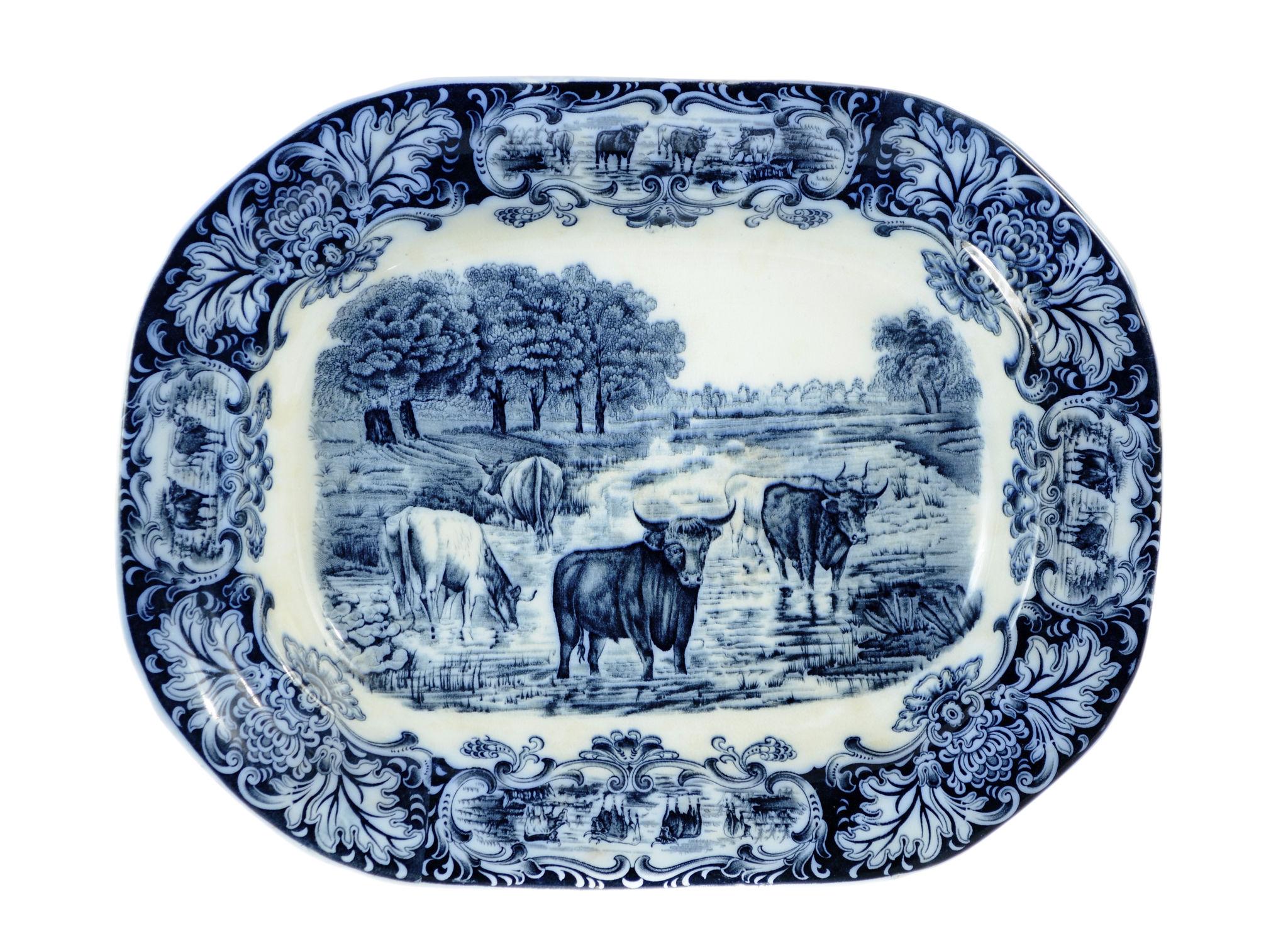
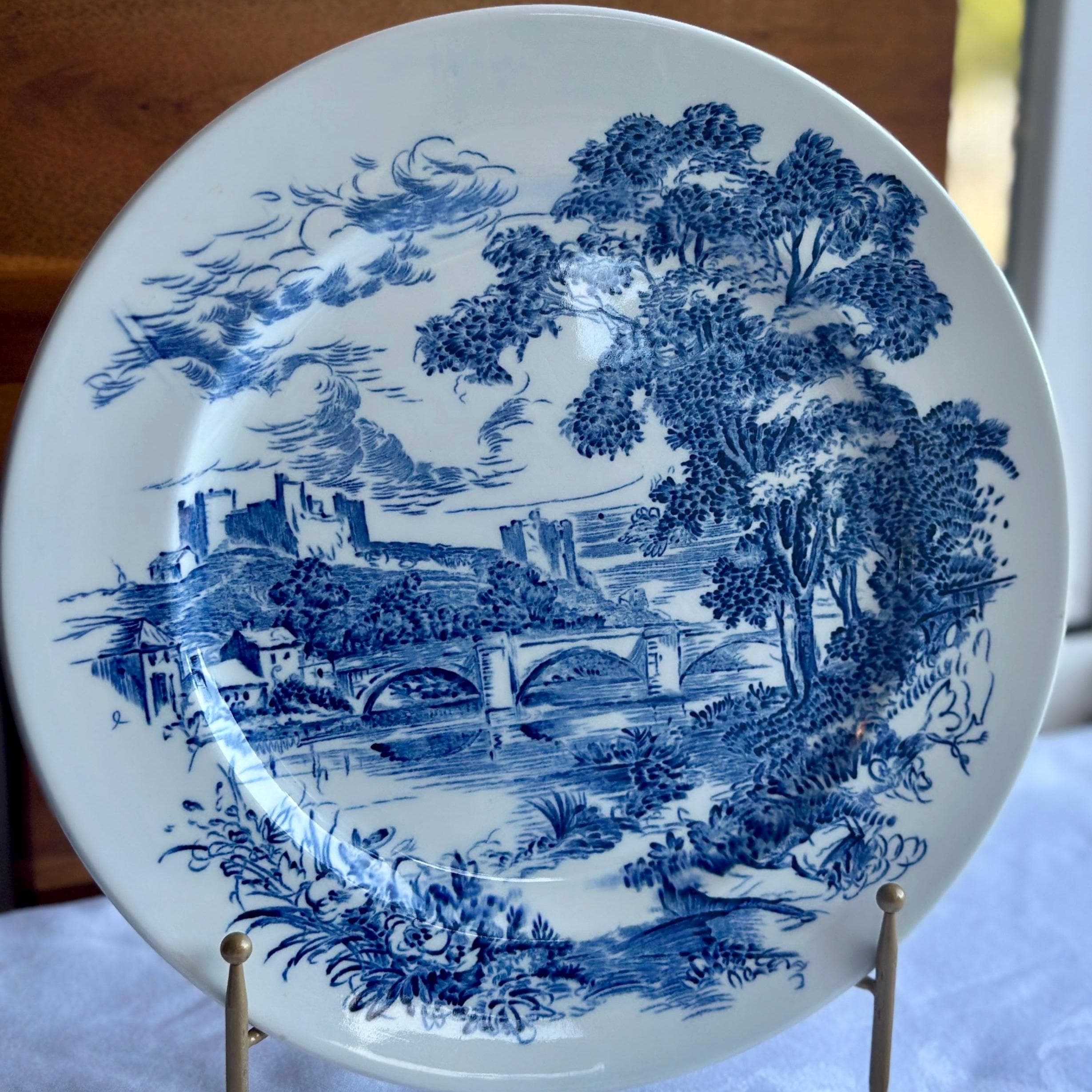
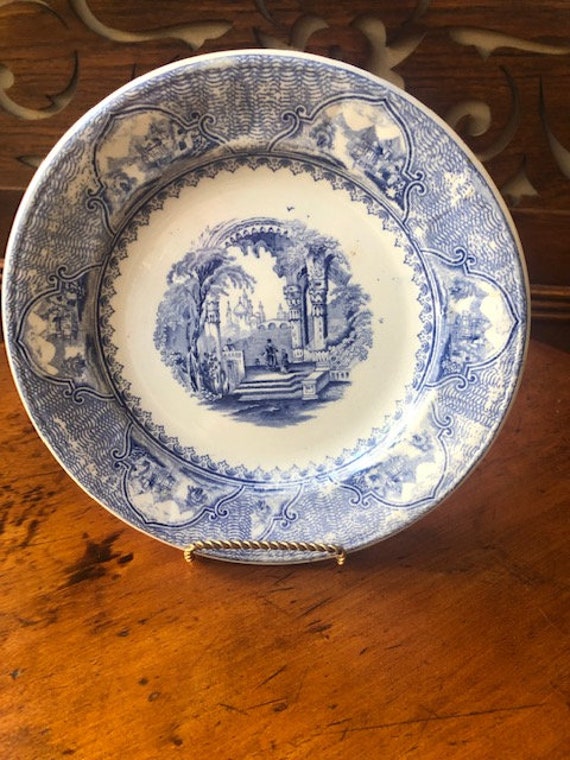
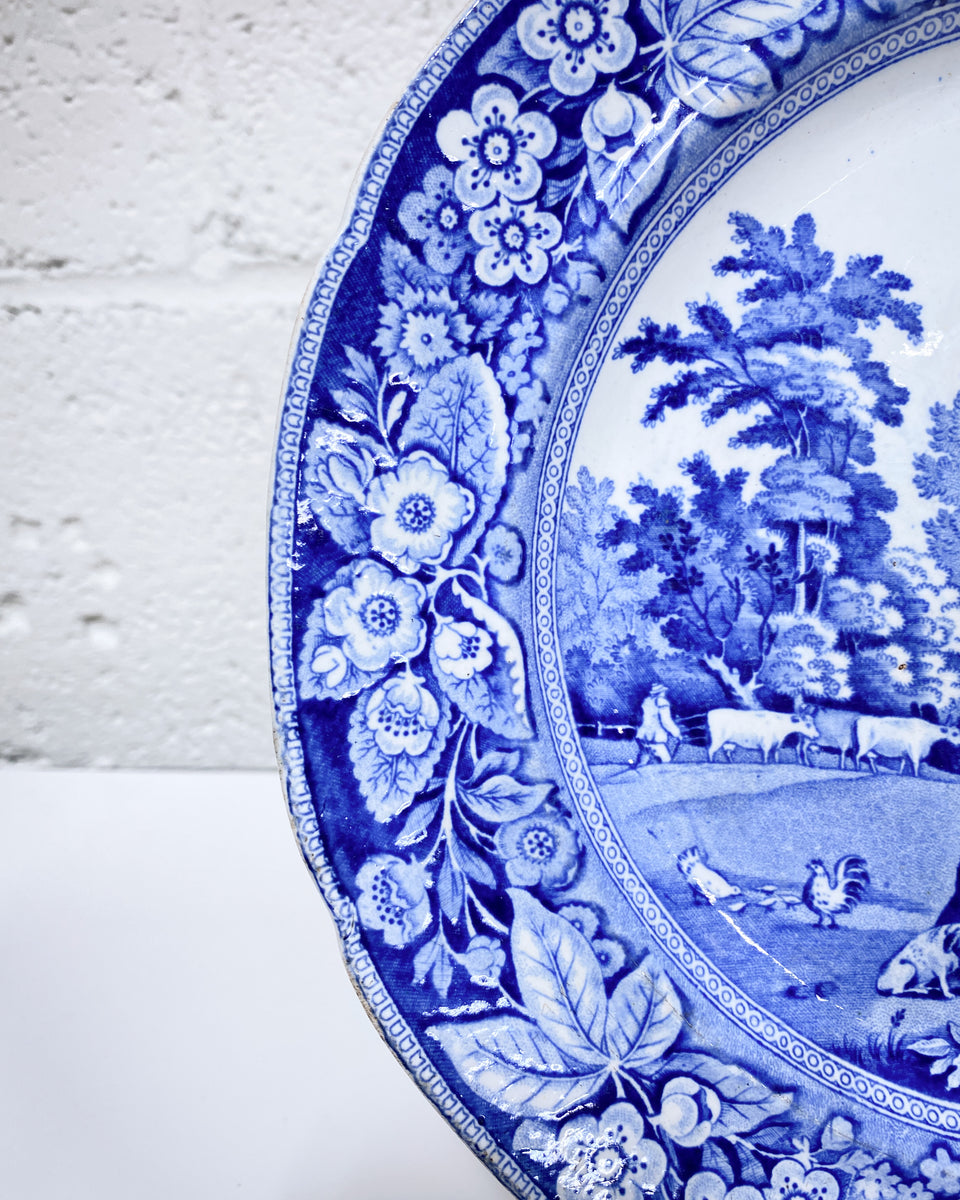
The earliest and most iconic transferware pieces were blue and white, inspired by popular Chinese porcelain imported into Europe.
Common themes included:
• Romantic countryside scenes
• Castles and ruins
• Rivers and bridges
• Exotic “Oriental” landscapes
These designs reflected the European fascination with travel, nature, and faraway places.
Blue became the most popular color because the cobalt pigment fired beautifully and consistently.
🇬🇧 Origins in England
Transferware production began in England, particularly in the Staffordshire region, which became the heart of ceramic manufacturing.
Several famous pottery companies helped popularize the technique, including:
- Spode
- Wedgwood
- Davenport Pottery
By the late 1700s and early 1800s, English transferware was being exported all over the world — especially to America.
🌈 Beyond Blue: The Rise of Colorful Transferware
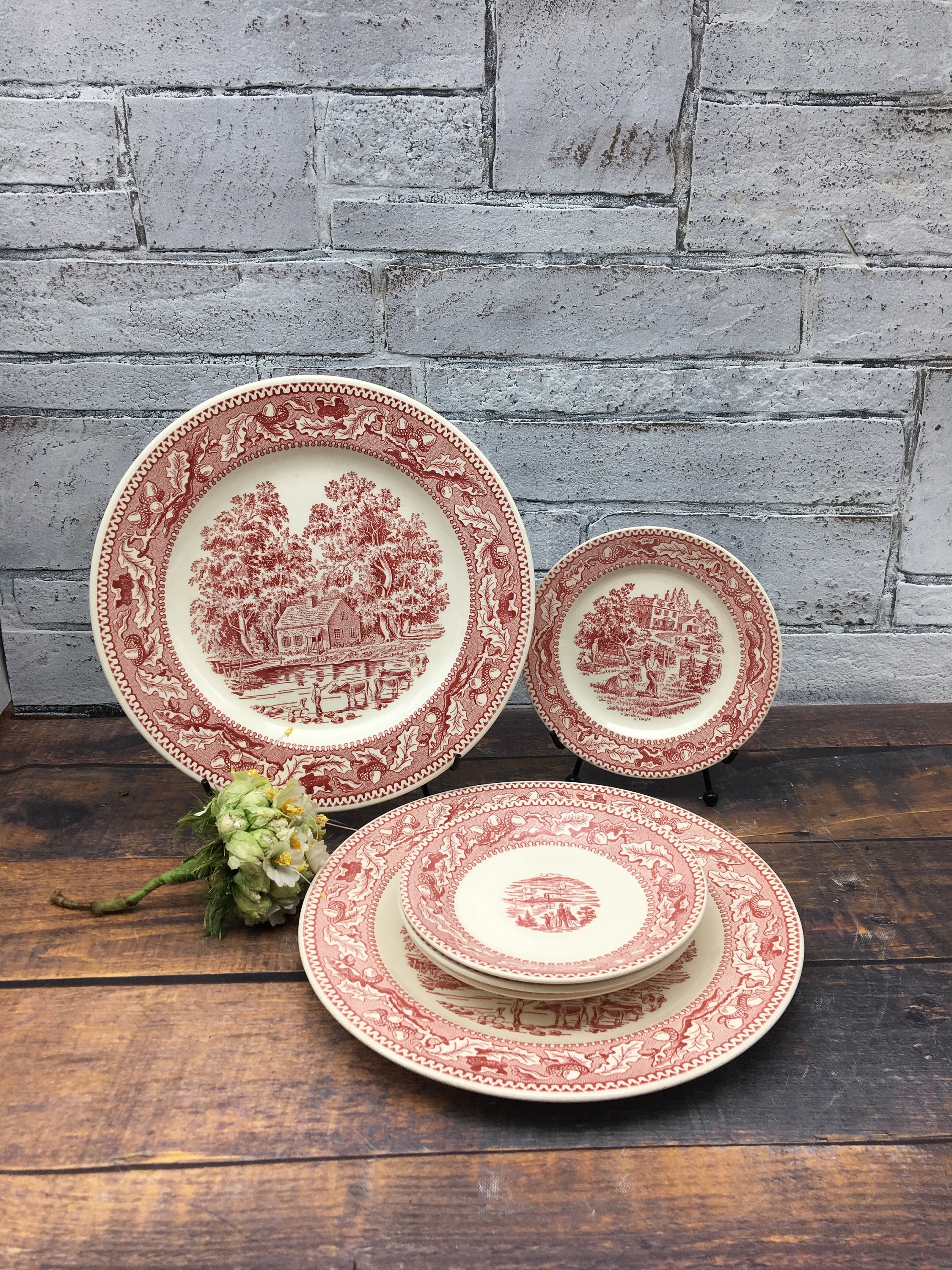
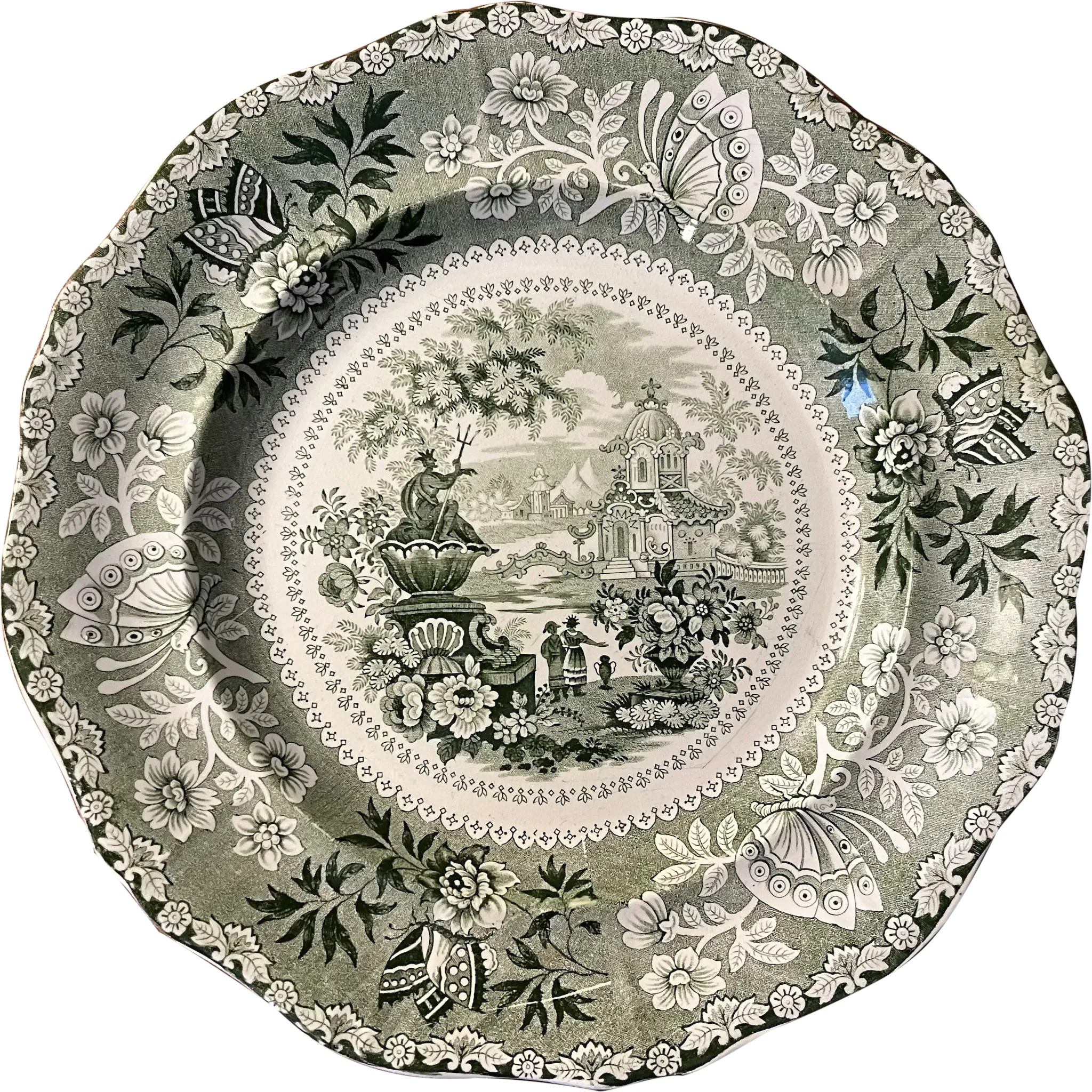
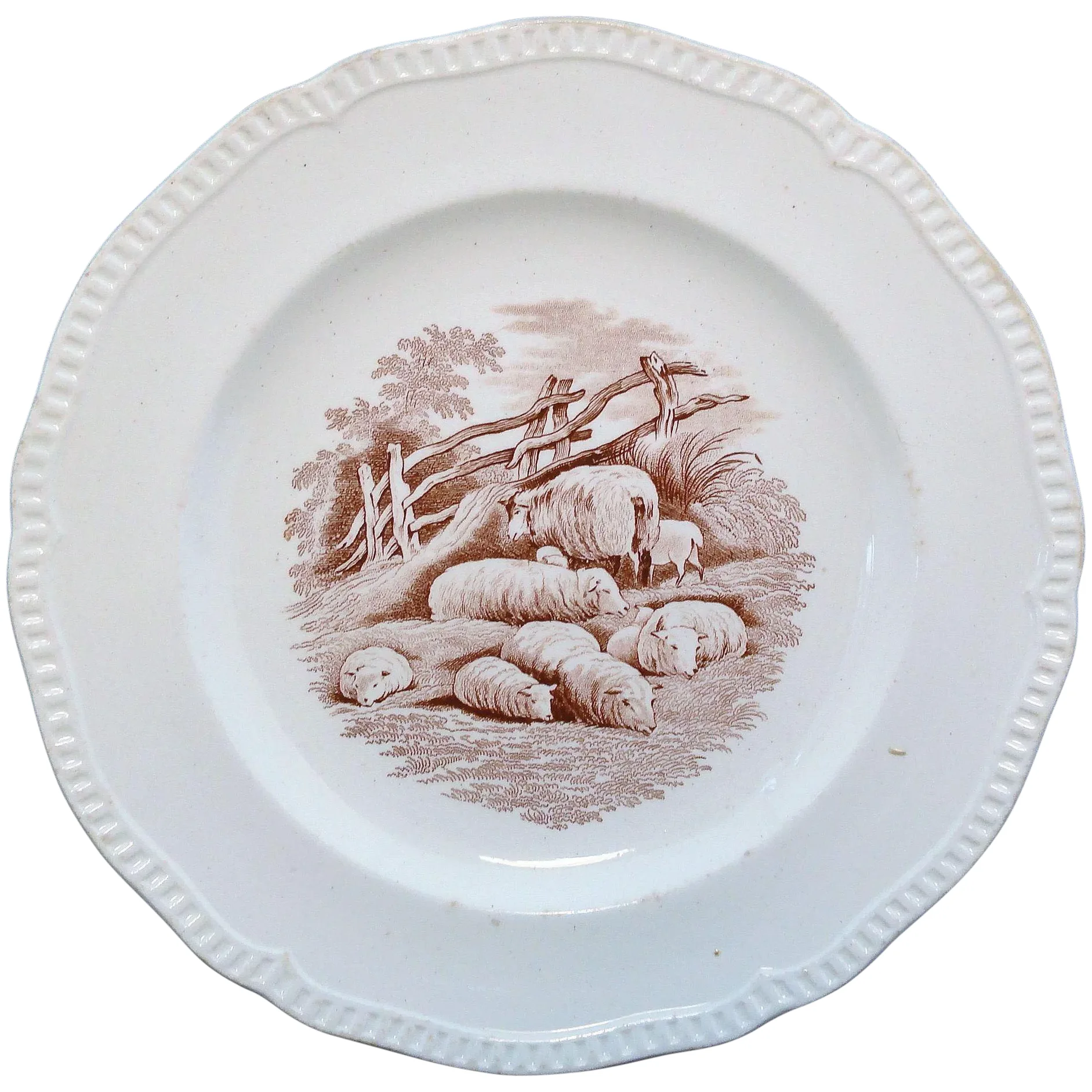
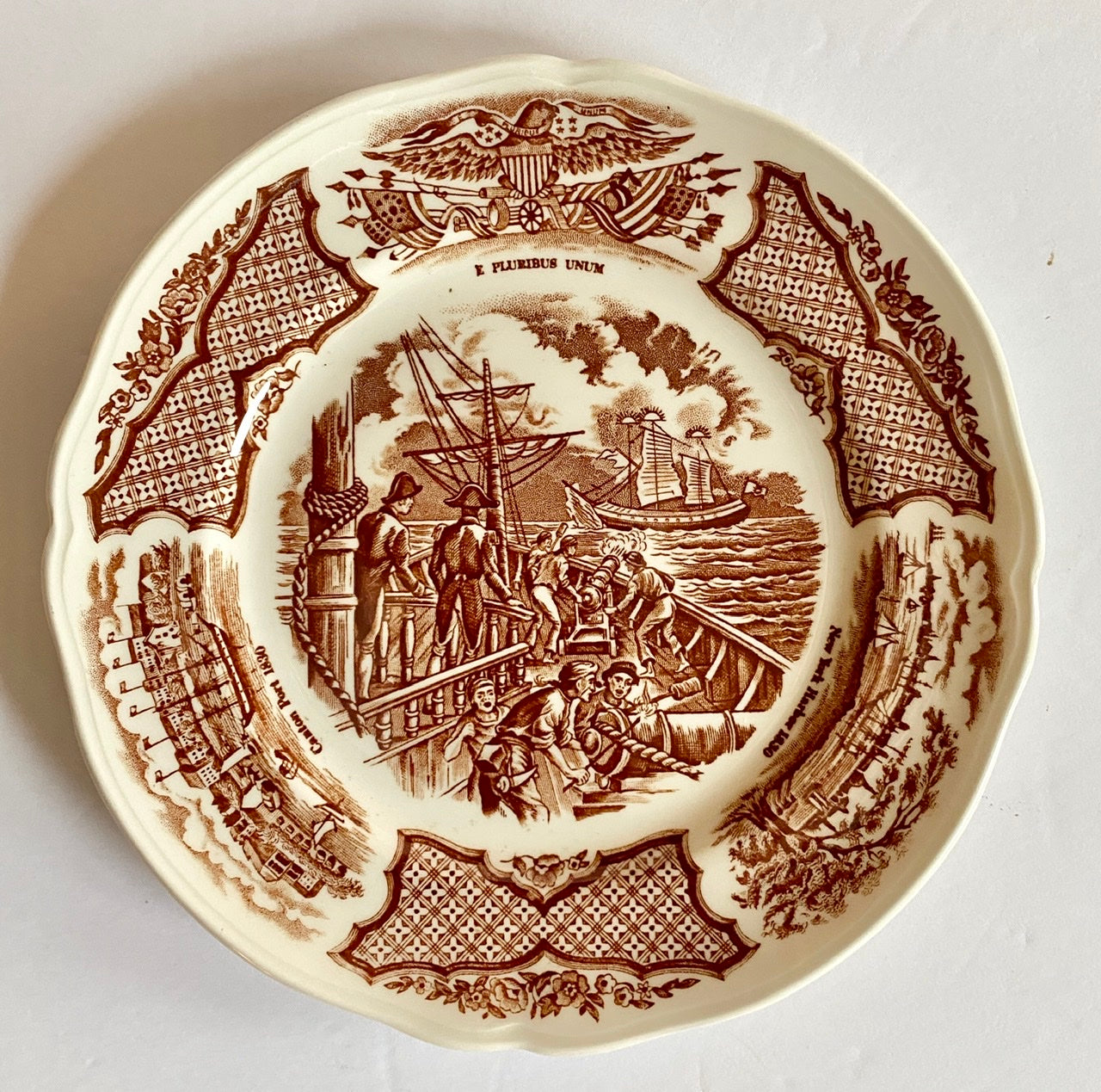
As techniques improved during the 1800s, manufacturers began producing transferware in a wide range of colors.
Popular shades included:
❤️ Red
💚 Green
🤎 Brown (often called “sepia”)
🖤 Black
💜 Purple
Some pieces even featured hand-colored accents over the printed designs.
These vibrant wares became fashionable table settings in Victorian homes.
🏞️ Popular Themes & Patterns
Transferware wasn’t just decorative — it often told stories.
Common subjects included:
🌍 Historical & Travel Scenes
- Famous landmarks
- European cities
- American views
🌿 Nature & Floral Designs
- Flowers and vines
- Birds and animals
- Garden scenes
📖 Literary & Political Themes
- Shakespeare scenes
- Historical events
- Patriotic American imagery
Many American households loved plates depicting early U.S. landmarks and historic moments.
📦 Transferware in America
By the early 1800s, transferware was flooding American markets.
It became:
✔ Affordable for middle-class families
✔ Stylish and modern for the time
✔ Durable for everyday use
American manufacturers eventually began producing their own transferware, but English-made pieces remained highly prized.
💎 Rarity & Value Today
Collectors today seek out transferware for its beauty, history, and variety.
Value depends on:
• Color (rare colors often worth more)
• Age (18th–early 19th century pieces are highly valuable)
• Condition (no cracks, chips, or heavy staining)
• Pattern popularity
• Maker marks
General value ranges:
- Common plates: $20 – $80
- Rare colors or early pieces: $150 – $500+
- Large platters or historic scenes: $300 – $1,000+
Exceptional museum-quality pieces can bring even higher prices.
🏡 Why Collectors Love Transferware
Transferware is cherished because it combines:
✨ Artistic beauty
✨ Historical storytelling
✨ Affordable entry-level collecting
✨ Display-worthy charm
Many collectors mix different colors and patterns to create stunning wall displays or shelf arrangements.
📚 Fun Fact
Some transferware patterns were produced for decades — meaning you can find the same design made in different time periods, sometimes with subtle changes in color or detail.
Learning these differences helps collectors date their pieces!
✨ Final Thoughts
Porcelain transferware revolutionized ceramics by bringing intricate art into everyday homes.
From romantic blue landscapes to colorful Victorian florals, transferware remains a timeless symbol of craftsmanship, innovation, and beauty.
Whether you’re a seasoned collector or just discovering it, each piece holds a little piece of history in its design.