
The History of McKee Glass Company
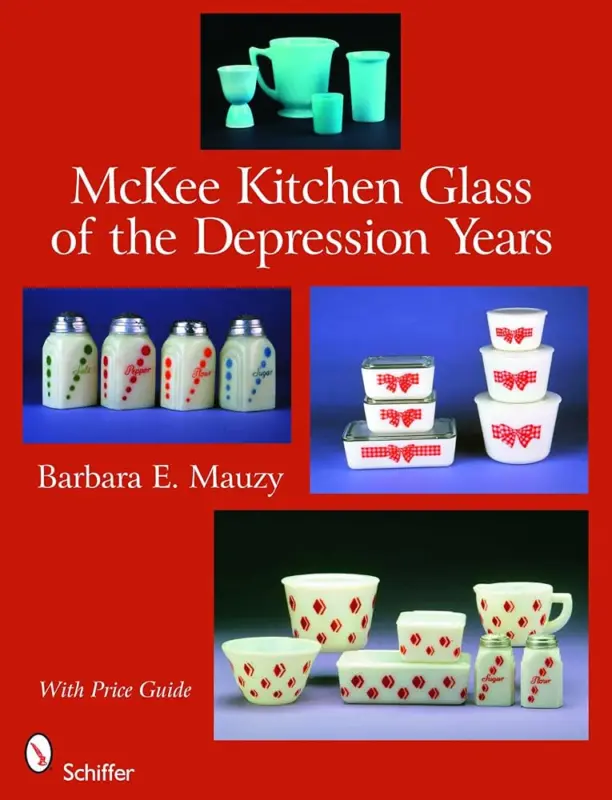
McKee Glass Company holds an important place in American glassmaking history, particularly for collectors of Depression-era and early 20th-century glassware. Known for its clean designs, practical household items, and later its iconic custard glass pieces, McKee glass remains highly collectible today.
Early Beginnings
The McKee Glass Company was founded in 1903 in Jeannette, Pennsylvania, a region often referred to as the heart of American glass production. McKee began as a manufacturer of utilitarian pressed glass, producing items meant for everyday household use rather than luxury display.
Early production included:
- Tableware
- Storage containers
- Kitchen and pantry items
- Industrial and commercial glass
These pieces were affordable, durable, and widely distributed, making McKee a staple in American homes.
Growth During the Depression Era
During the 1920s–1930s, McKee expanded its output in response to changing consumer needs. As the Great Depression reshaped buying habits, McKee focused on functional yet visually appealing glassware that could be produced efficiently and sold at accessible prices.
This era introduced many of the piece’s collectors recognize today, including:
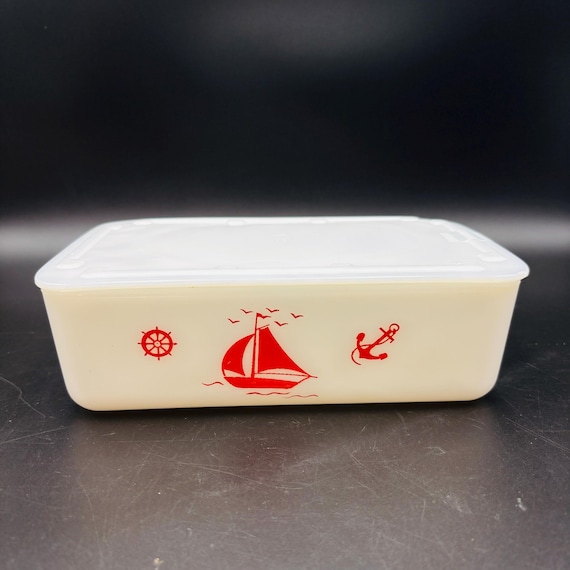
- Refrigerator dishes
- Mixing bowls
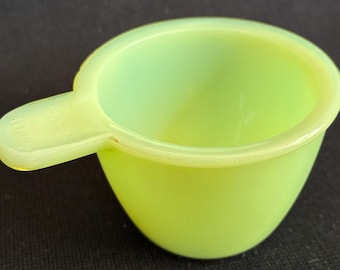
- Measuring cups
- Canisters and utility ware
While not as flashy as some competitors, McKee glass stood out for its clean lines, practical forms, and solid craftsmanship.
The Rise of Custard Glass
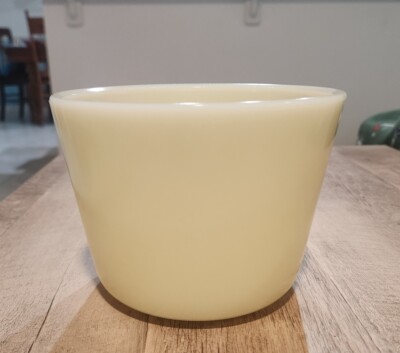
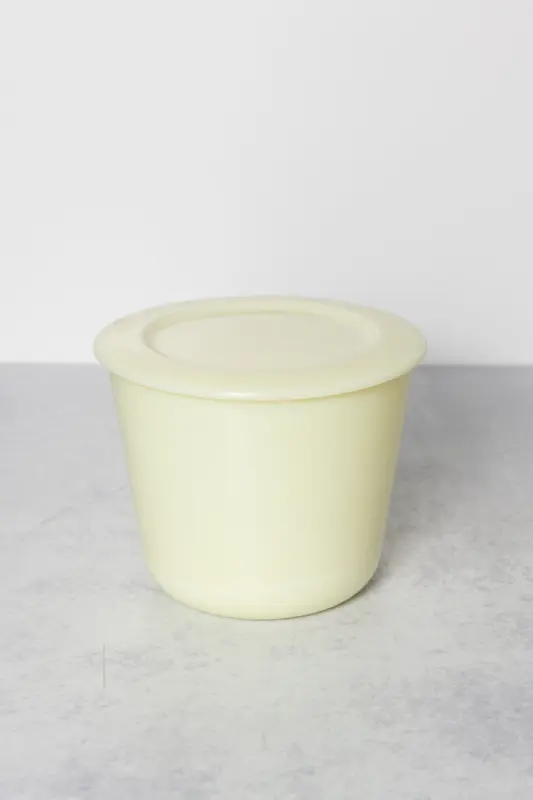
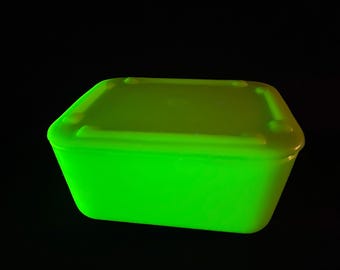
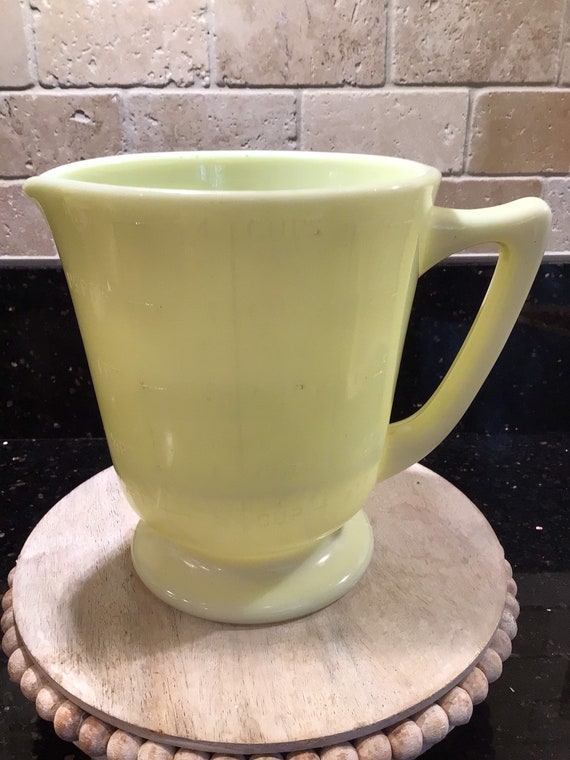
One of McKee’s most recognizable contributions is its production of custard glass—an opaque, creamy yellow glass that glows under ultraviolet light due to its uranium content.
McKee custard glass was often used for:
- Mixing bowls
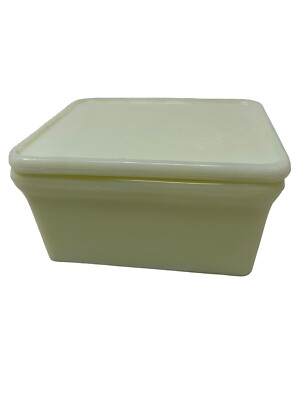
- Refrigerator containers
- Measuring cups
- Kitchenware sets
Unlike purely decorative uranium glass, McKee’s custard glass was designed for daily use, which makes surviving pieces especially desirable to collectors today.
Distinguishing Features & Marks
McKee glass is often identified by:
- The “McKee” mark molded into the glass
- A stylized “McK” logo
- Smooth pressed glass construction
- Minimalist, functional shapes
Not all pieces are marked, so collectors often rely on shape, color, and known patterns for identification.
Later Years & Legacy
In 1941, McKee Glass Company was acquired by Jeannette Glass Company, bringing an end to McKee as an independent manufacturer. However, its designs and production standards lived on through continued glassmaking in the region.
Today, McKee glass is appreciated for its:
- Practical American design
- Connection to Depression-era households
- Collectible custard and uranium glass pieces
- Durability and everyday charm
Collecting McKee Glass Today
McKee glass appeals to both seasoned collectors and new enthusiasts. Pieces are often more affordable than some Depression-era brands yet still offer strong historical value.
Collectors particularly seek:
- Custard glass mixing bowls
- Refrigerator dish sets with lids
- Clearly marked McKee pieces
- Items in excellent condition without
- Items in excellent condition without
Common McKee Pieces (Entry-Level Collecting)
These items are widely available and remain popular with new collectors:
- Refrigerator dishes (clear or white)
- Mixing bowls without lids
- Measuring cups
- Plain utility bowls
Estimated Value:
- $10–$30 per piece
- Sets may reach $40–$60 depending on condition
These are excellent starter pieces and often show signs of use, which is expected for kitchen glass of this era.
Moderately Rare & Sought-After Pieces
These items are less common and tend to sell quickly:
- Custard glass mixing bowls
- Refrigerator dishes with original lids
- Marked McKee pieces
- Larger or oversized utility bowls
Estimated Value:
- $40–$100 per piece
- Complete refrigerator sets can exceed $125
Original lids significantly increase value, as many were lost or damaged over time.
Rare & High-Value McKee Glass
Certain McKee pieces are considered scarce due to limited production or high breakage rates:
- Complete custard glass sets
- Deep yellow custard or uranium-rich glass
- Unusual forms or sizes
- Pieces in near-mint condition
Estimated Value:
- $150–$300+ for complete sets
- Exceptional pieces may exceed this range
Custard glass that exhibits a strong glow under UV light is especially desirable.
What Impacts Value Most
When evaluating McKee glass, collectors look closely at:
- Condition: Chips, cracks, cloudiness, and utensil marks reduce value
- Completeness: Lids and matching pieces matter
- Color: Custard and uranium glass outperform clear glass
- Markings: Clearly molded McKee marks add authenticity and appeal
- Glow: Strong uranium glow under black light boosts desirability
Collector Tip
Because McKee glass was made for daily use, true mint-condition pieces are increasingly rare. Light wear is often acceptable, but structural damage greatly affects value. When possible, purchasing complete or clearly marked pieces offers the best long-term collectibility.