
The History of PYREX: From Laboratory Breakthrough to Kitchen Icon
Origins at Corning Glass Works (Early 1900s)
PYREX was developed by Corning Glass Works in the early 20th century. At the time, Corning was experimenting with borosilicate glass, a material designed to withstand extreme temperature changes. This glass was originally created for industrial and scientific uses, such as railroad lanterns and laboratory equipment.
In 1915, Corning introduced PYREX to the public. The name comes from the word “pyro,” meaning fire, reflecting the glass’s ability to handle heat without cracking. PYREX was marketed as a solution to a common household problem: glass cookware that shattered when exposed to high oven temperatures.
A Revolution in Home Cooking
PYREX quickly changed the way people cooked. Unlike metal pans, the clear glass allowed cooks to see their food as it baked. Unlike regular glass, it could move from oven to countertop with less risk of breaking.
Early advertisements targeted homemakers, emphasizing:
- Resistance to thermal shock
- Easy cleaning
- Safety and reliability
By the 1920s and 1930s, PYREX had become a trusted household name in the United States.
Mid-Century Popularity and Design
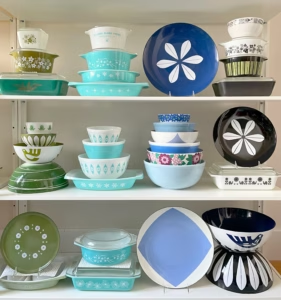
During the 1940s–1970s, PYREX reached peak popularity. This era introduced colorful, patterned designs that are now highly collectible. Popular lines featured:
- Bright primary colors
- Floral and geometric patterns
- Nesting mixing bowls and casserole dishes
These designs reflected the optimism and modern style of post–World War II America, turning cookware into a form of kitchen décor.
PYREX vs. pyrex: What’s the Difference?
One of the most discussed parts of PYREX history is the difference between uppercase “PYREX” and lowercase “pyrex.”
- PYREX (uppercase) traditionally refers to borosilicate glass, known for high resistance to thermal shock.
- pyrex (lowercase), commonly sold in the U.S. since the late 20th century, is often made from tempered soda-lime glass, which is stronger against drops but less resistant to sudden temperature changes.
This change happened as manufacturing priorities shifted and production expanded globally. In many other countries, borosilicate glass is still commonly used.
PYREX Today
Today, PYREX remains a widely used and trusted brand, especially for measuring cups and bakeware. Vintage PYREX pieces are popular among collectors, sometimes selling for hundreds or even thousands of dollars due to rarity and design.
Despite changes in materials and ownership over the years, PYREX continues to represent innovation, practicality, and nostalgia in kitchens around the world.
Why PYREX Still Matters
PYREX’s legacy lies in its impact on everyday life. It bridged the gap between scientific innovation and home cooking, making kitchens safer and more efficient. More than a brand, PYREX is a symbol of how good design and smart engineering can become part of daily tradition.