
💡 Did You Know? – Laurel Glass Works
While collectors often chase household names like Pyrex, Fenton, or Viking, Laurel Glass Works represents a quieter—but equally fascinating—chapter in American glass history. Rooted in the studio glass movement of the late 20th century, this maker focused on artistry over mass production, creating unique, hand-crafted glass pieces that continue to intrigue collectors today.
🏭 The Origins of Laurel Glass Works
Laurel Glass Works emerged during a time when American glassmaking was evolving. By the 1960s–1970s, the industry began shifting away from large factory production toward independent studio craftsmanship—a movement driven by artists who wanted creative control over their work.
Located in West Virginia, a state long associated with historic glass production, Laurel Glass Works carried on the region’s legacy—but with a modern, artistic twist. Rather than producing kitchenware or pressed glass, the company specialized in small-batch, hand-blown art glass.
👉 This positioned Laurel Glass Works within the broader American Studio Glass Movement, which emphasized individuality, experimentation, and craftsmanship over uniformity.
🎨 What Did Laurel Glass Works Produce?
Unlike mass-market brands, Laurel Glass Works focused on decorative art pieces rather than utilitarian glassware.
Common Forms
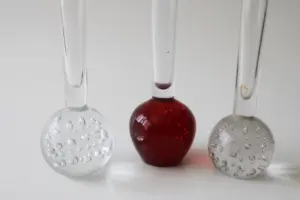
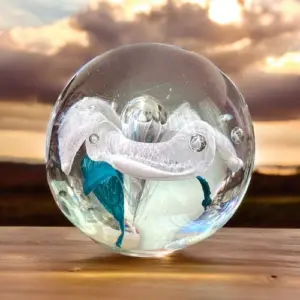
- Paperweights (their most recognized category)
- Small decorative vases
- Art glass objects
Signature Design Elements
- Controlled air bubbles suspended within the glass
- Swirled or layered colors
- Clean, modern silhouettes typical of studio glass
Each piece was often individually crafted, meaning no two items are exactly alike—one of the defining appeals for collectors.
🔍 How to Identify Laurel Glass Works
Because of their small-scale production, identification can sometimes be challenging.
Key Identification Markers
- Original foil or paper labels reading “Laurel Glass Works”
- Occasional hand-signed bases
- Evidence of hand-blown craftsmanship (pontil marks, organic shaping)
⚠️ Collector Note:
Many authentic pieces are unmarked, which can lead to confusion with other studio glass makers. Careful comparison of style and construction is essential.
💰 Rarity & Value in Today’s Market
Laurel Glass Works is considered moderately scarce, but not ultra-rare. Its value lies more in craftsmanship and aesthetic appeal than brand recognition.
Typical Value Ranges (2025 Market)
- Paperweights: $20 – $75
- Signed or complex designs: $75 – $150+
- Unique or larger studio pieces: $150 – $250+
Value Drivers
✔️ Presence of original label or signature
✔️ Complexity of design (controlled bubbles, color work)
✔️ Condition (no chips, scratches, or cloudiness)
📈 Why Collectors Are Taking a Second Look
In recent years, the market has seen a renewed appreciation for studio art glass, particularly pieces from the 1970s–1980s.
Market Trends
- Growing interest in handmade over mass-produced items
- Increased nostalgia for late 20th-century design
- Rising crossover between art glass collectors and vintage décor enthusiasts
Laurel Glass Works fits perfectly into this trend, offering accessible entry points for collectors looking to expand beyond mainstream brands.
⚠️ Reproductions & Misidentification
There are no widely documented reproductions specifically targeting Laurel Glass Works. However, collectors should be aware of:
- Generic studio glass pieces being misattributed
- Tourist-market paperweights with similar aesthetics
- Other small American studio makers with overlapping styles
👉 Proper identification relies on construction quality, design style, and labels when present.
🏺 Laurel Glass Works in Context
Laurel Glass Works represents an important transition in American glass history:
➡️ From factory production → to individual artistry
➡️ From uniform designs → to one-of-a-kind creations
➡️ From utility → to decorative expression
It stands as a reminder that not all collectible glass comes from large, well-known manufacturers—some of the most interesting pieces come from smaller studios with artistic vision.
🎉 DID YOU KNOW?® Fun Fact
Because Laurel Glass Works pieces were handmade in small batches, each item can be considered a miniature work of art—no two are exactly identical!
💬 From The Vintage Shack®
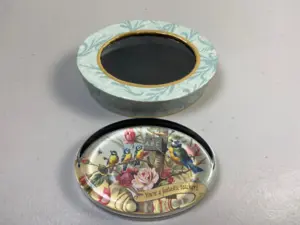
If you come across a paperweight or small art glass piece with suspended bubbles and a clean, modern feel—don’t overlook it. You may be holding a piece of Laurel Glass Works, a subtle but meaningful part of America’s glassmaking evolution.
📚 References & Sources
- The Corning Museum of Glass — Studio Glass Movement overview and American glass history resources
- The Glass of the Studio Movement by Dan Klein — foundational text on studio glass development
- West Virginia Department of Arts, Culture and History — regional glassmaking heritage and artisan history
- Auction and sales data compiled from platforms such as eBay and Etsy (2024–2025 comparable sales)
- General studio glass context via Smithsonian Institution — American decorative arts and studio craft movement