The Story Behind HOMCO — And Who REALLY Made Their Glass
If you’ve ever picked up a charming fairy lamp, wall plaque, or glass piece marked HOMCO… you’re not alone. These nostalgic treasures filled homes across America—but the story behind them might surprise you!
🏡 The Birth of HOMCO
DID YOU KNOW?
HOMCO stands for Home Interiors & Gifts, Inc., a company founded in 1957 by Mary C. Crowley.
What started as a small home-based business quickly became a powerhouse of the home party sales movement—similar to Tupperware—bringing decorative items straight into American living rooms. (WorthPoint)
By the 1970s–1990s, HOMCO became known for:
- Wall décor & plaques
- Bisque figurines
- Homestyle accessories
- And yes… collectible glassware and fairy lamps
🔍 Here’s the Twist… HOMCO Was NOT a Glass Manufacturer
HOMCO was a marketing and distribution company, NOT a maker.
Instead, they outsourced production to various manufacturers—both domestic and international.
That means:
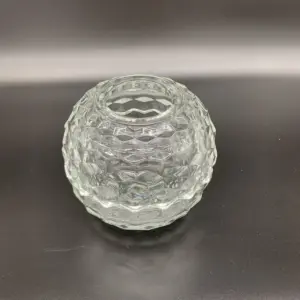
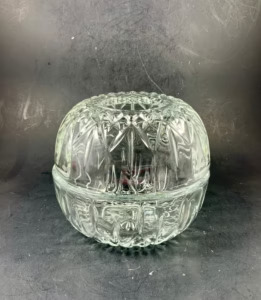
👉 Many HOMCO glass pieces were made by other glass companies, then sold under the HOMCO name.
🏭 So Who Made HOMCO Glass?
Collectors and research point to several likely sources:
✔️ Confirmed / Common Attributions:
- Indiana Glass Company – Frequently credited for HOMCO fairy lamps and pressed glass items (widely accepted in collector circles) (Reddit)
- Imported European glass makers – Including Portugal and Italy for some decorative pieces
- Other contract manufacturers depending on the item and era
❌ Did Fenton Make Glass for HOMCO?
Here’s where things get important…
🚫 There is NO verified evidence that Fenton Art Glass Company produced glass for HOMCO.
While Fenton Art Glass Company is one of the most respected American glassmakers—founded in 1905 and known for handmade art glass (Wikipedia)—there is no documented partnership linking them to HOMCO production.
👉 Fenton DID:
- Produce glass for other brands and retailers
- Decorate glass made by other companies early in its history
👉 But:
- There is no credible documentation tying Fenton directly to HOMCO pieces
⚠️ Many listings online incorrectly label HOMCO glass as “Fenton-style” or even “Fenton-made”—this is a common misattribution in the market.
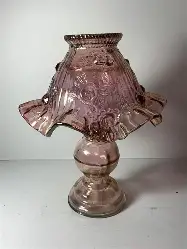
Made in Mexico & China for HOMCO
🕯️ Why This Matters for Collectors
Understanding who actually made the glass can help you:
✔️ Identify true value
✔️ Avoid misrepresented listings
✔️ Better date your pieces
✔️ Spot reproductions or imports
For example:
- A HOMCO fairy lamp ≠ Fenton value
- But it still holds charm, collectability, and nostalgia 💛
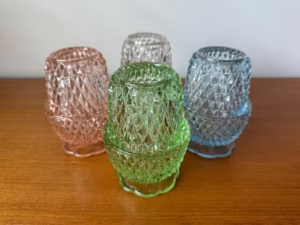
✨ Collector Tip
When evaluating HOMCO glass:
- Look for mold patterns tied to Indiana Glass
- Check weight and clarity
- Watch for labels vs. embossed marks
- Be cautious of listings claiming “Fenton” without proof
💫 DID YOU KNOW? (Fun Fact)
Many of the “Fenton” fairy lamps you see online today…
👉 aren’t Fenton at all—they’re HOMCO or Indiana Glass pieces riding the wave of today’s fairy lamp craze!