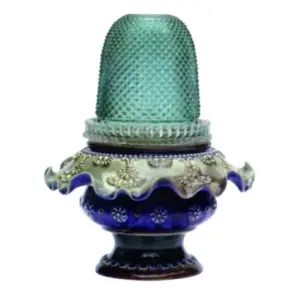
The Magical History of Fairy Lamps
If you’ve spent any time exploring antique shops, estate sales, or vintage malls, you’ve probably spotted a delicate glowing lamp with tiny holes casting a magical pattern of light across the room.
These charming little lights are known as Fairy Lamps, and they have been enchanting collectors for well over a century.
But where did they come from—and why are they suddenly one of the hottest collectibles in the vintage world?
Let’s turn on the glow and find out.
Where Fairy Lamps Began
Fairy lamps were first introduced in the mid-1800s during the Victorian era, when candlelight was still the primary source of evening lighting.
The original design was created by Samuel Clarke, a London glassmaker, who patented his “Clarke’s Fairy Lamp” in 1885.
His invention was simple but brilliant:
A glass dome placed over a small candle that safely diffused the flame while producing a soft, glowing light.
Victorian homes loved them because they were:
• safer than open candles
• decorative and romantic
• affordable household lighting
Soon fairy lamps became a household staple across England, Europe, and the United States.
What Makes a Fairy Lamp?
Traditional fairy lamps typically include:
• A glass dome or shade
• A base or cup holding the candle
• Small vent holes for airflow
• Decorative cut, molded, or patterned glass
When lit, the glow shines through the holes and glass, creating a magical pattern of light.
Glass Companies That Made Fairy Lamps
Many well-known glass manufacturers produced fairy lamps over the years. Some are antique originals, while others are mid-century collectible pieces.
Victorian & Early Manufacturers
• Samuel Clarke / Clarke’s Fairy Lamps (England)
• Thomas Webb & Sons
• Stevens & Williams
• Mount Washington Glass Company
These Victorian examples are often considered the most desirable and valuable.
American Depression Era & Early 20th Century Makers
• Indiana Glass Company
• Dugan Glass Company
• Northwood Glass Company
• Fenton Art Glass (later period)
These companies produced pressed glass fairy lamps in beautiful colors and carnival finishes.
Mid-Century & Later Fairy Lamp Makers
Many collectors today love fairy lamps from the 1950s–1970s, especially colorful pressed glass designs.
Popular makers include:
• Indiana Glass (Stars & Bars fairy lamps)
• Viking Glass
• Fenton Art Glass
• LE Smith Glass
• Westmoreland Glass
These mid-century fairy lamps are the ones many collectors are currently chasing.
Popular Fairy Lamp Styles Collectors Love
Collectors today look for several distinctive styles.
Lithophane Fairy Lamps
These feature delicate porcelain domes with carved images that appear when lit.
Carnival Glass Fairy Lamps
Shimmering iridescent glass from companies like Fenton and Dugan.
Indiana Glass Stars & Bars
One of the most popular mid-century fairy lamps today.
Hobnail Fairy Lamps
Often made by Fenton in milk glass and opalescent colors.
Colored Pressed Glass Fairy Lamps
Ruby, amber, blue, and green are highly collectible.
How to Identify a Fairy Lamp
When shopping for fairy lamps, collectors should check several things.
Look for the Two-Piece Design
Most fairy lamps include:
• a dome/shade
• a base or cup
Some are matched sets, while others were mixed over time.
Check for Maker Marks
Some companies marked their glass:
Fenton – oval Fenton logo (later pieces)
Westmoreland – WG mark
Indiana Glass – usually unmarked but identifiable by pattern
Viking – usually unmarked but distinctive designs
Victorian Clarke fairy lamps may have registered marks or numbers.
Examine the Glass Pattern
Collectors identify many fairy lamps by pattern.
Examples:
• Stars & Bars
• Hobnail
• Coin Dot
• Daisy & Button
• Paneled designs
Rarity and Collectibility
Fairy lamps have become extremely popular in recent years, especially among mid-century collectors and glass enthusiasts.
Some of the most sought-after examples include:
✨ Lithophane fairy lamps
✨ Victorian Clarke fairy lamps
✨ Fenton carnival fairy lamps
✨ Rare colored Indiana Glass fairy lamps
✨ Unusual shapes or limited runs
Condition also matters greatly. Chips, cracks, or mismatched bases can affect value.
Current Collector Price Ranges
Fairy lamp prices vary depending on maker, rarity, color, and condition.
Typical collector ranges today:
Common vintage fairy lamps
$20 – $50
Indiana Glass fairy lamps
$40 – $150
Fenton fairy lamps
$75 – $300
Carnival glass fairy lamps
$100 – $400+
Victorian Clarke fairy lamps
$200 – $1,000+
Rare examples can sell for several thousand dollars at auction.
Why Fairy Lamps Are Trending Again
Fairy lamps have exploded in popularity recently because they fit beautifully into several design trends:
• Mid-century décor
• Vintage cottage style
• Moody ambient lighting
• Glass collecting
They’re also small, affordable collectibles that are easy to display.
And let’s be honest…
They simply look magical when lit.
DID YOU KNOW? Fun Fact
The name “Fairy Lamp” came from the soft glowing light they produced, which Victorians believed looked like tiny fairies dancing inside the glass.
Some early advertisements even claimed fairy lamps were safer than oil lamps and prevented household fires.
✨ Collector Tip from The Vintage Shack®:
If you spot a fairy lamp while antiquing, always check that the dome and base match—a complete original set can significantly increase the value!
Top 10 Most Valuable Fairy Lamps Ever Sold
While many fairy lamps can be found at antique malls for $30–$150, some rare examples have sold for hundreds or even thousands of dollars at auction depending on rarity, glass maker, and condition. Auction records for Victorian fairy lamps have reached over $3,000 for exceptional pieces.
Here are some of the most valuable fairy lamps collectors dream about finding.
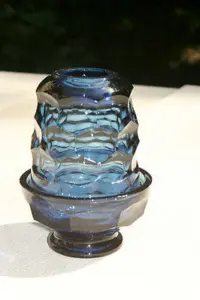
1. Burmese Glass Fairy Lamp (Thomas Webb & Sons)
Estimated value: $2,000 – $3,500+
This Victorian masterpiece glows in shades of pink fading to yellow and is often hand-decorated with flowers. Burmese fairy lamps are extremely desirable and rarely appear on the market.
Collector appeal:
• Hand-decorated glass
• Rare Victorian color formula
• Limited production
2. Clarke’s Pyramid Fairy Lamp (Cricklite)
Estimated value: $1,500 – $3,000
These dramatic pyramid-shaped fairy lamps made by Samuel Clarke are among the rarest Victorian designs.
Collector appeal:
• Unique geometric shape
• Early patented design
• True Victorian fairy lamp origin
3. Victorian Lithophane Fairy Lamp
Estimated value: $800 – $2,500
Lithophane lamps feature delicate porcelain domes carved with images such as:
• cherubs
• castles
• landscapes
• romantic couples
When lit, the image magically appears through the porcelain.
4. Fenton Carnival Glass Fairy Lamp
Estimated value: $500 – $2,000
Carnival glass fairy lamps with intense iridescence can bring strong prices, especially in rare colors such as:
• purple/amethyst
• ice blue
• rare opalescent finishes
5. Clarke’s Air Trap Fairy Lamp
Estimated value: $500 – $1,500
These Victorian lamps use a special air trap glass technique that gives the glass a soft frosted glow.
Collector appeal:
• unusual glass technique
• early Clarke design
6. Viking Glass Owl Fairy Lamp
Estimated value: $400 – $1,200
One of the hottest fairy lamps in the mid-century market today.
The owl design is extremely popular with collectors and can sell quickly when listed.
Colors include:
• amber
• green
• ruby
• blue
7. Indiana Glass Ruby Stars & Bars Fairy Lamp
Estimated value: $300 – $900
Indiana Glass fairy lamps—especially Stars & Bars patterns in ruby or cobalt—have become very collectible in the past few years.
These mid-century lamps are often found in vintage homes and antique malls.
8. Fenton Cranberry Opalescent Fairy Lamp
Estimated value: $300 – $800
Fenton produced beautiful fairy lamps in cranberry glass with ruffled bases or hobnail designs.
Collectors look for:
• opalescent edges
• signed pieces
• limited editions
9. LE Smith Moon & Stars Fairy Lamp
Estimated value: $250 – $700
Moon & Stars glass is extremely popular among mid-century collectors.
Rare colors include:
• teal
• cobalt
• amberina
10. Westmoreland Cameo or Satin Glass Fairy Lamp
Estimated value: $200 – $600
Westmoreland produced elegant satin glass fairy lamps often mistaken for Victorian pieces.
Colors include:
• blue satin
• pink satin
• milk glass
Why Some Fairy Lamps Are Worth Thousands
Collectors typically look for four factors when determining value:
1. Maker
Victorian manufacturers like Clarke, Webb, and Mount Washington usually bring the highest prices.
2. Color
Rare colors increase value dramatically.
Most valuable colors include:
• ruby
• cranberry
• vaseline / uranium glass
• cobalt blue
3. Condition
Chips or cracks dramatically reduce value.
Complete dome + base sets are much more desirable.
4. Rarity of Pattern
Certain patterns were produced in limited quantities or discontinued quickly.
DID YOU KNOW? Fun Fact
One of the biggest mistakes new collectors make is buying a fairy lamp with a mismatched base and dome.
Because these pieces were often separated over decades, collectors sometimes unknowingly pair pieces that were never originally sold together.
A complete original set can sometimes be twice as valuable as mismatched pieces!
💡 Vintage Shack Collector Tip:
If you spot a fairy lamp with unusual colors, intricate patterns, or Victorian craftsmanship, it may be worth taking a closer look—you could be holding a piece worth hundreds or even thousands of dollars.