The Colorful History of Miller Studio Chalkware
If you’ve ever seen a brightly painted mid-century wall plaque featuring fish, owls, fruit, or whimsical characters, there’s a good chance it came from Miller Studio. These charming plaster pieces were once inexpensive home décor, but today they’ve become highly collectible vintage treasures.
Here’s the story behind Miller Studio chalkware, including how to identify it, what makes pieces rare, and what collectors are paying today.
The Beginning of Miller Studio
Miller Studio Inc. was founded in 1934 in New Philadelphia, Ohio by Harry and Clela Miller. The couple originally ran a small gift shop but soon realized there was a growing market for decorative wall plaques for the home.
Their solution was to produce wall décor made from chalkware, a material made from molded plaster of Paris or gypsum. These pieces were inexpensive to produce yet could be beautifully hand-painted in bright colors.
By the 1950s, Miller Studio had grown rapidly. In fact, by 1952 the company had become the leading manufacturer of decorative wall décor in the housewares trade.
During the mid-century modern era, chalkware became extremely popular because it offered fun, affordable art for everyday homes.
What Is Chalkware?
Chalkware refers to decorative objects made from plaster of Paris or molded gypsum. Unlike ceramic or porcelain, chalkware is:
- Lightweight
- Slightly chalky or porous
- Hand-painted rather than glazed
Because it is fragile, many pieces developed chips or cracks over time. That fragility is one reason mint-condition pieces are harder to find today.
Popular Miller Studio Designs
Miller Studio produced thousands of designs between the 1940s and 1970s. Some of the most popular themes include:
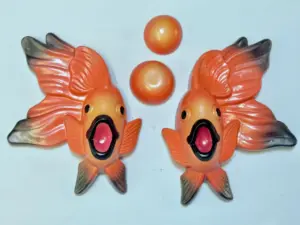
- Fish with bubbles
- Owls and birds
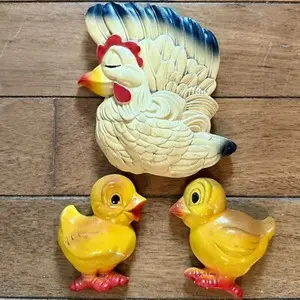
- Poodles and other animals
- Ballerinas and dancers
- Fruit and kitchen décor
- Nautical themes and mermaids
Many of these pieces were designed as sets of two or three plaques meant to be hung together on a wall.
The aesthetic is often described as mid-century “kitsch”—bright colors, curved shapes, and playful subjects that fit perfectly in 1950s and 1960s homes.
How to Identify Miller Studio Chalkware
Identifying genuine Miller Studio pieces is usually fairly easy.
Look for these clues:
1. Molded Signature
Most pieces have “Miller Studio Inc.” molded into the side or back of the plaque.
2. Production Year
Many examples include a year stamped next to the company name, such as:
- 1964
- 1968
- 1975
3. Chalky Material
True chalkware feels like plaster and may show small chips revealing the white interior.
4. Hanging Hardware
Most plaques were designed to hang on the wall and may include:
- Wire hangers
- Keyhole openings
- Adhesive mounts
Rarity: What Makes Some Pieces Harder to Find?
Not all Miller Studio pieces are equally collectible. The following factors can increase rarity:
Early pieces (1940s–1950s)
Older designs were produced in smaller quantities.
Complete sets
Many plaques were sold as pairs or trios. Complete sets are harder to find.
Original paint condition
Because chalkware chips easily, well-preserved pieces are scarce.
Unusual themes
Mermaids, harlequins, or elaborate mid-century designs tend to attract collectors.
Original packaging
Boxes with cellophane display windows were sometimes used and can increase desirability.
How Much Is Miller Studio Chalkware Worth?
For decades these plaques were considered inexpensive décor, but vintage interest has revived demand.
Typical values today:
| Type | Estimated Value |
|---|---|
| Common single plaques | $5 – $20 |
| Popular designs or pairs | $20 – $50 |
| Rare or large sets | $75 – $150+ |
Some listings and collector sales show individual pieces starting around $5–$15, depending on condition and design.
Condition is extremely important since chips, cracks, or repainting can reduce value significantly.
A Fun Piece of Mid-Century History
Miller Studio chalkware perfectly captures the spirit of mid-century home décor—colorful, whimsical, and accessible. What began as inexpensive wall art has now become a nostalgic collectible sought after by vintage lovers.
So the next time you spot a pair of fish, owls, or ballerinas at a thrift store or estate sale, check the side carefully. You might just have a little piece of Miller Studio history in your hands.
✅ Did You Know?
In 1964 Miller Studio introduced “Magic Mounts,” a self-sticking adhesive system for hanging décor that became so successful the company eventually shifted its focus to manufacturing adhesive products.